

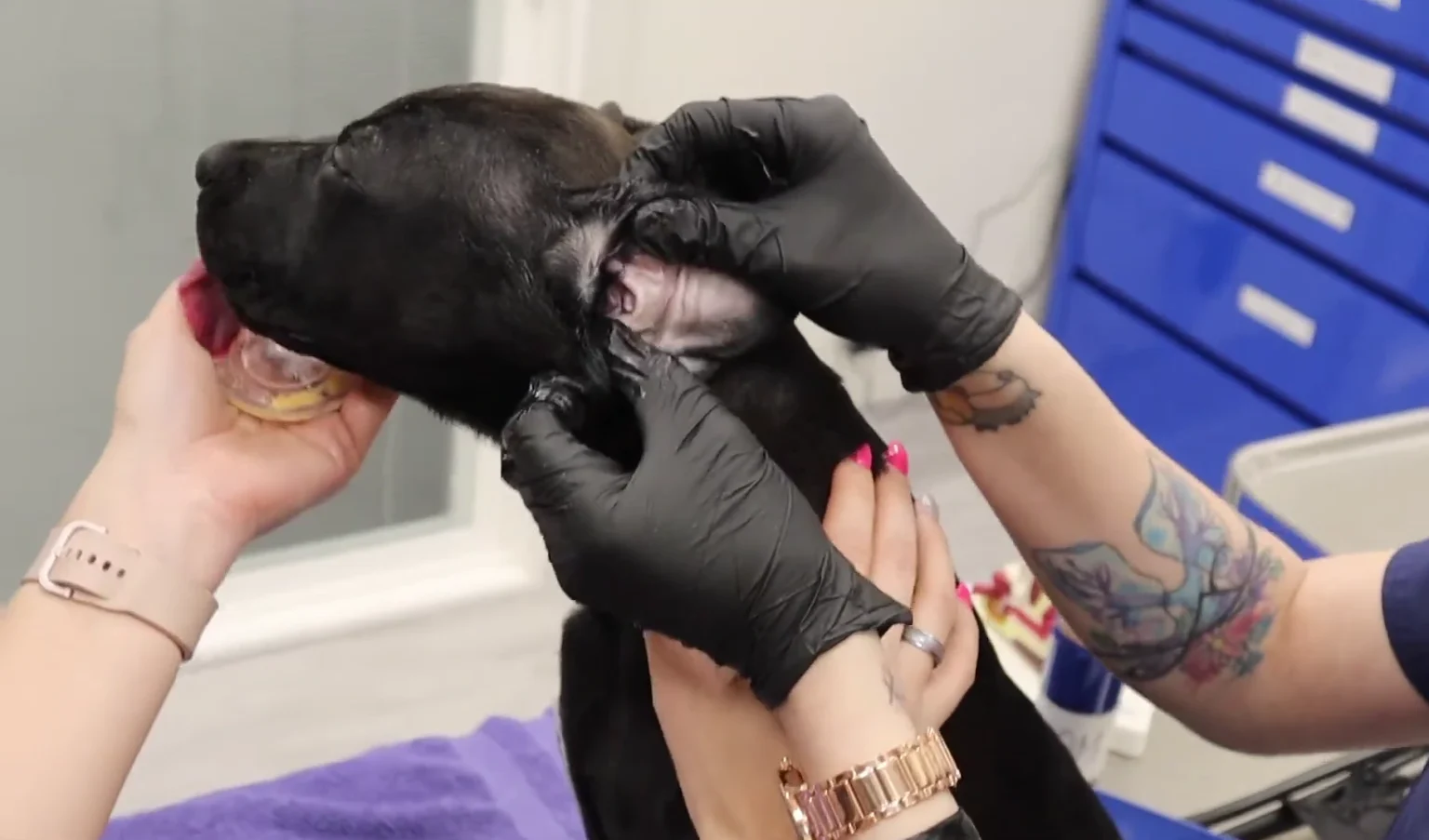
Clean ears and eyes regularly to avoid infections.
Most pet owners remember to brush their dog’s coat or trim their cat’s nails, but ears and eyes often get skipped until something looks wrong. That’s a problem, because ear infections are one of the most common reasons pets end up at the vet, and eye issues can go from mild irritation to serious damage in a matter of days. The good news is that both are easy to stay on top of once you know what to look for.
Why Ears and Eyes Need Regular Attention
A dog or cat’s ear canal isn’t a straight tube. It bends at roughly a right angle before reaching the eardrum, which means wax, moisture, and debris tend to collect at that bend instead of draining out on their own. Add floppy ear flaps, allergies, or a swim in the lake, and you’ve got the perfect setup for bacteria and yeast to multiply.
Eyes are more exposed and more delicate. Dust, pollen, and even a pet’s own fur can irritate the surface, and breeds with short muzzles or prominent eyes are especially prone to tearing and scratches. Left unchecked, small irritations can turn into infections or, in worse cases, corneal damage.
Checking both areas takes less than a minute and can save you an expensive emergency vet visit down the road.
Ear Care Basics
Signs Your Pet’s Ears Need Attention
Catching a problem early usually means a quick cleaning fixes it. Watch for:
- Frequent head shaking or tilting
- Scratching at one or both ears
- Redness or swelling inside the ear flap
- A noticeable odor, often described as yeasty or musty
- Dark discharge or waxy buildup
- Sensitivity or pain when the ear is touched
If you notice redness combined with a strong smell, that usually points to an active infection rather than simple buildup, and cleaning alone won’t resolve it. That calls for a vet visit.
How to Clean Your Pet’s Ears at Home
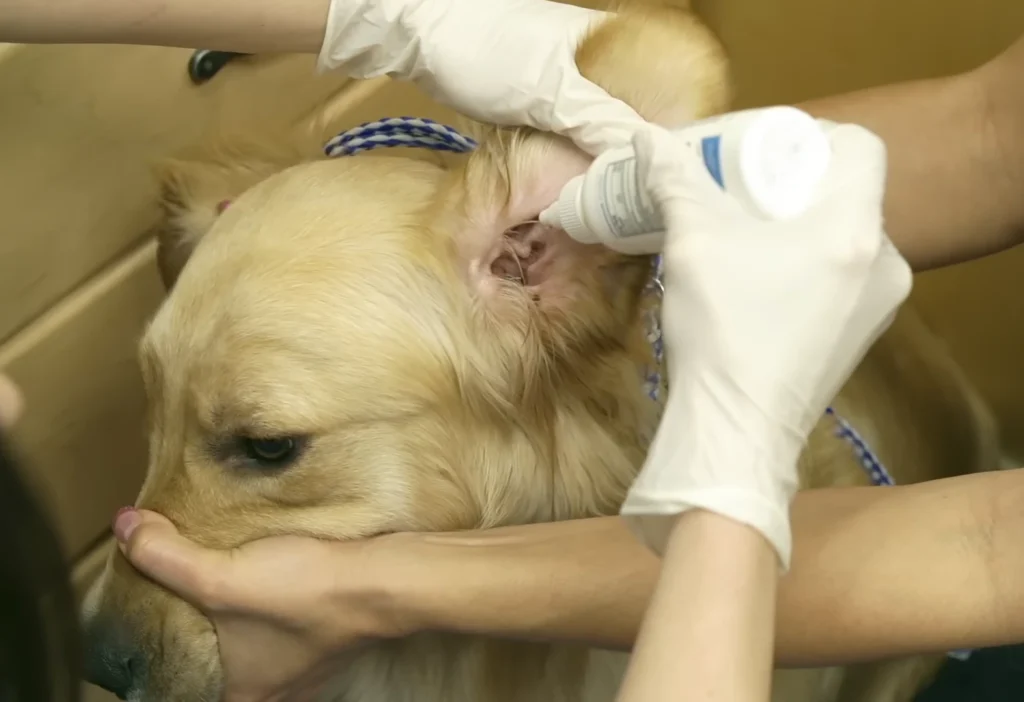
- Fill the ear canal with a vet-approved cleaning solution, or saturate a cotton pad if your pet doesn’t tolerate liquid going in directly.
- Massage the base of the ear gently for about 20-30 seconds. This loosens debris and lets the solution work through the canal.
- Let your pet shake their head. This is normal and actually helps bring loosened debris up and out.
- Wipe away debris with a cotton pad or ball, working from the inside out. Go only as far as your finger comfortably reaches.
Avoid cotton swabs entirely. They tend to push debris further into the canal rather than removing it, and they carry a higher risk of injury in a space that small.
How Often to Clean
Cleaning frequency depends on the pet’s ear shape, coat, and history with infections:
| Ear Type | Recommended Cleaning Frequency |
|---|---|
| Upright ears, short coat, no history of infection | As needed, roughly once a month |
| Floppy or hairy ears | Every 1-2 weeks |
| Pets prone to allergies or recurring infections | Weekly, or as directed by your vet |
| After swimming or bathing | Same day, to remove trapped moisture |
Over-cleaning healthy ears can cause irritation on its own, so there’s no need to clean daily unless a vet has recommended it for treating an existing infection.
Eye Care Basics
Daily Habits Worth Keeping
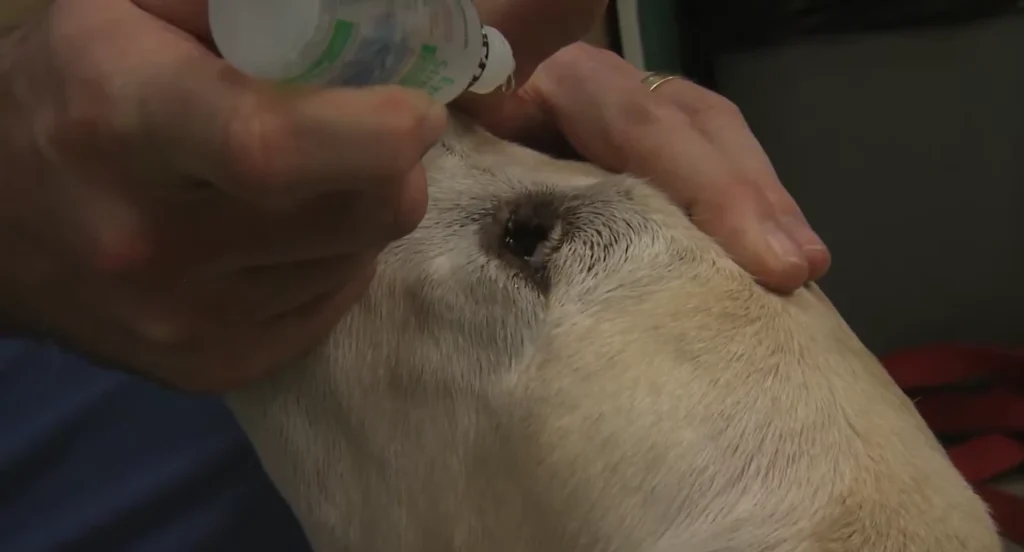
A soft, damp cloth is really all you need for routine eye maintenance. Wipe gently around the corners to remove any crust or tear staining, working outward and away from the eye. Breeds with shorter muzzles, like pugs and bull dogs, tend to produce more visible tear staining because of how their tear ducts are shaped, so they benefit from slightly more frequent wiping.
Never use human eye drops on a pet without checking with a vet first. Some common ingredients are safe for people but toxic to animals.
Common Eye Problems to Watch For
| Condition | What It Looks Like | Typical Cause |
|---|---|---|
| Tear staining | Brownish discoloration under the eyes | Blocked tear ducts, allergies, or breed-related duct shape |
| Conjunctivitis | Redness, watery or thick discharge | Allergies, bacteria, viruses, or irritants |
| Corneal ulcer | Squinting, light sensitivity, redness | Trauma, dust, or chronic dryness |
| Dry eye | Redness, mucus buildup, visible discomfort | Reduced tear production, often needs lifelong management |
When It’s Time to Call the Vet
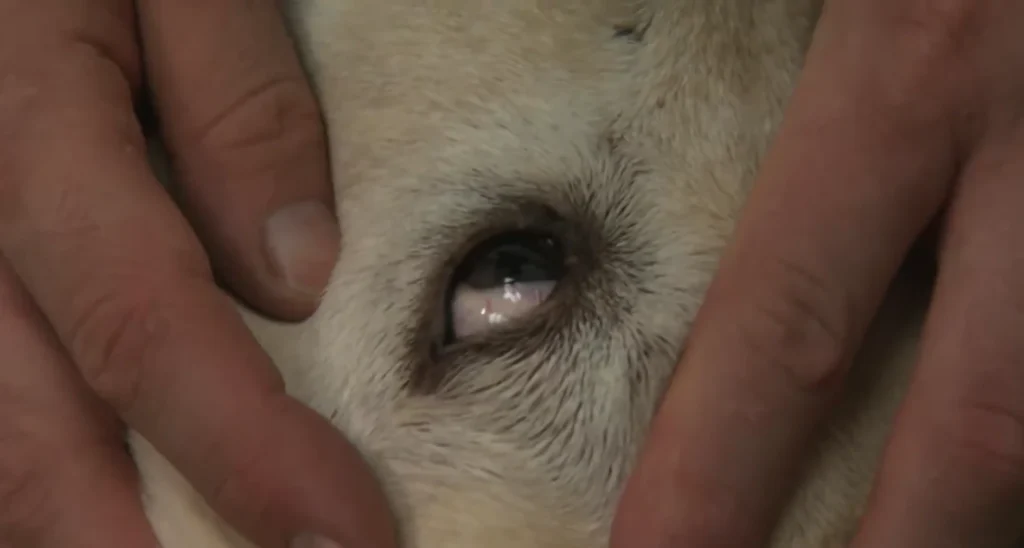
Some eye issues clear up on their own with a bit of gentle cleaning. Others need medical attention right away. Book a vet visit if you notice:
- Cloudiness or a change in eye color
- Thick or colored discharge
- Excessive squinting or pawing at the eye
- Swelling around the eye
- Any sudden change in how well your pet seems to see
Eye problems can worsen quickly, so when in doubt, it’s better to get checked sooner rather than later.
Keeping Both in Good Shape
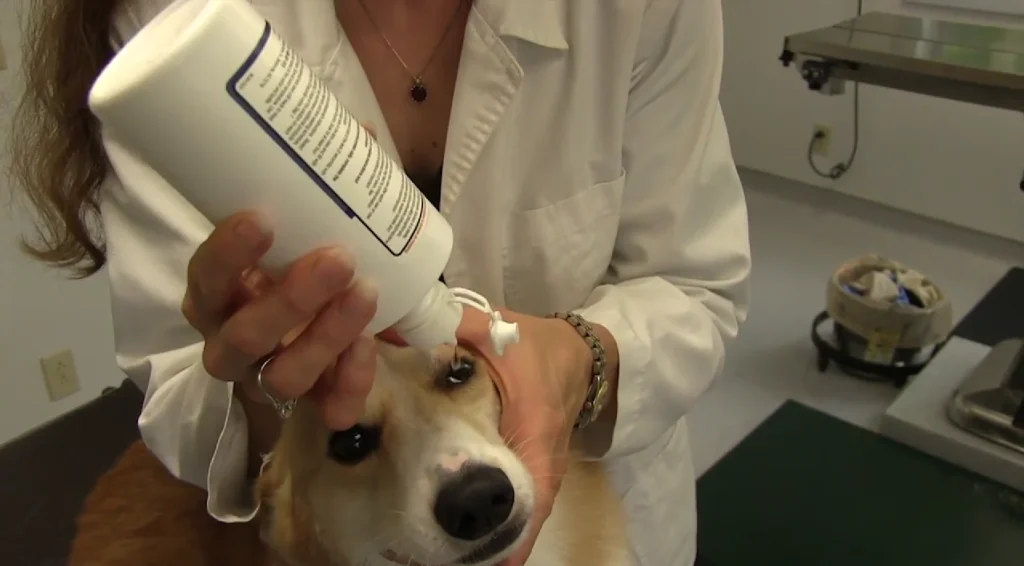
A few habits go a long way toward preventing most ear and eye issues before they start:
- Dry ears thoroughly after baths or swims
- Keep fur trimmed around the eyes and ear openings, especially on long-haired breeds
- Do a quick visual check during regular grooming sessions rather than waiting for symptoms
- Skip alcohol or hydrogen peroxide based cleaners, since these can irritate sensitive tissue
- Ask your vet which cleaning products suit your specific pet, since needs vary by breed and health history
None of this needs to be complicated. A short glance and a gentle wipe, worked into a routine you already have, is usually enough to keep infections and irritation from ever becoming a bigger issue.