

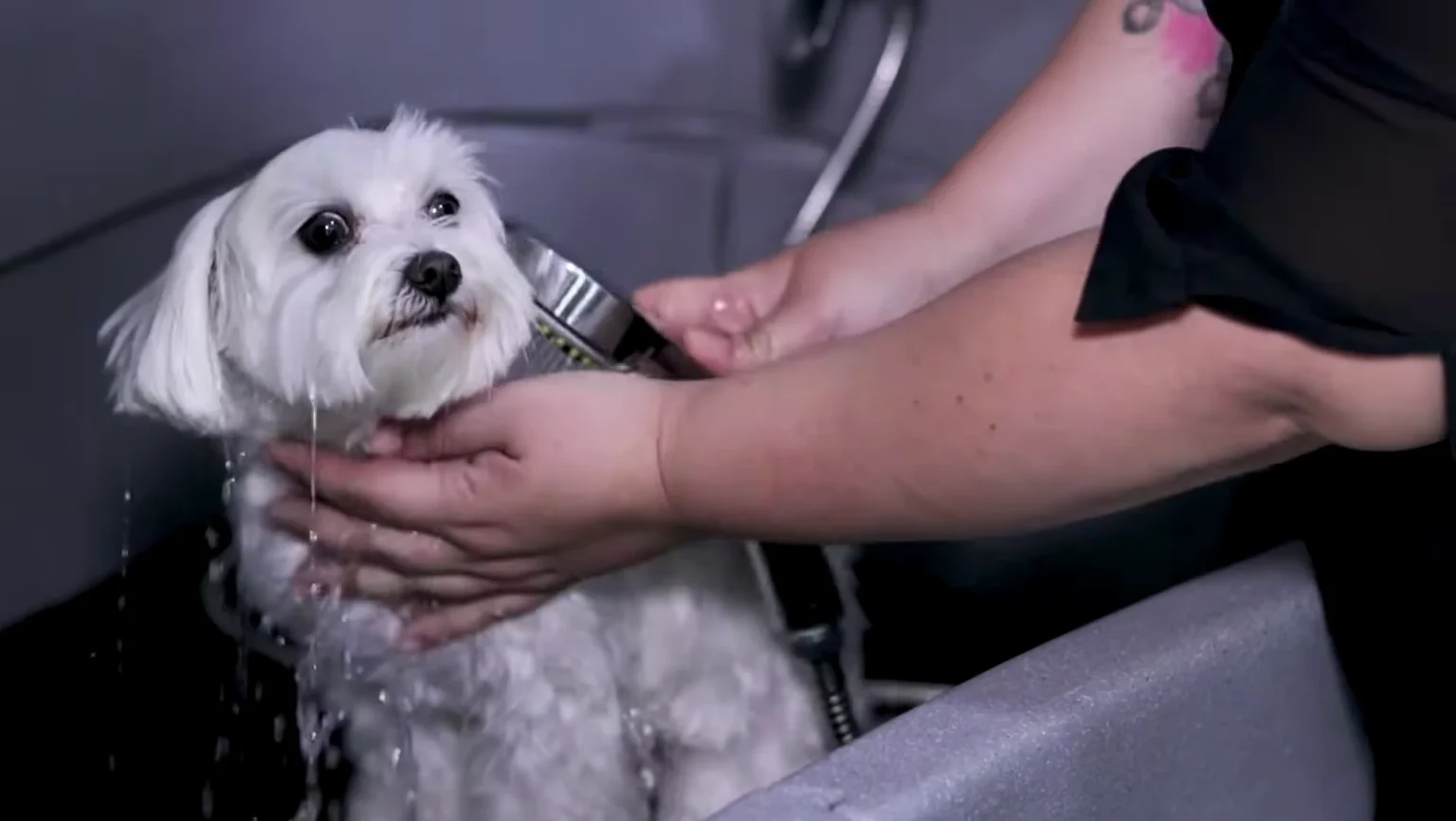
Most dog parents have to bathe their dogs at one time, but some dogs are bathed more often than others. Some pet parents actually enjoy bathing their dogs, especially since it helps them keep their pets looking their best. One reason some people dread bathing their dog is that it always makes the house a mess. Here is what you need to know about dog bathing, including how often to do it, what products to use, and how to help your dog tolerate or even enjoy the grooming process.
Your Pet’s Skin Barrier
The skin on your pet’s body has a protective barrier made of skin cells, fats, natural oils, and beneficial bacteria that keeps the skin healthy and protects it from germs and irritants. Bathing your pet will not damage this barrier, but harsh soaps, scrubbing too hard, and inadequate rinsing can.
- Minor damage to the skin barrier recovers by more than 50% within 24 hours
- It is typically fully restored within about 72 hours
- More severe damage, however, can take weeks to heal
What Can Go Wrong
Skin Reactions
Some dogs develop irritant or allergic dermatitis from ingredients in shampoo. Redness, itching, and scaling can occur when harsh shampoos are used or when shampoo is not thoroughly rinsed away.
If a dog has allergies or an underlying health condition and remains damp from rain or bathing, yeast can develop between the toes or in skin folds. This is often accompanied by itching, a musty odor, redness, greasy scales, and ear infections.
Dry, Compromised Skin
A skin barrier disrupted by harsh bathing products can lead to dry and irritated skin.
Deep Infections
Rough brushing, clipping, or scrubbing can damage hair follicles. When combined with contaminated shampoos, this may cause post-grooming furunculosis, a deep and painful skin infection that can require weeks of antibiotic treatment.
Preparation and Clean Supplies
- Keep fresh shampoo on hand before bathing. Old shampoo becomes less effective over time and can become contaminated with bacteria if moisture enters the bottle.
- Discard shampoo that is more than a year old or has been stored in a damp location.
If you dilute shampoo to make it easier to apply, prepare only the amount needed for that bath. - If you dilute shampoo to make it easier to apply, prepare only the amount needed for that bath.
- Studies show that diluted products become contaminated much more frequently than undiluted ones. It is best to dilute shampoo on the same day as the bath and never store leftover diluted shampoo.
- Reusable dilution bottles should be cleaned and thoroughly dried between uses.
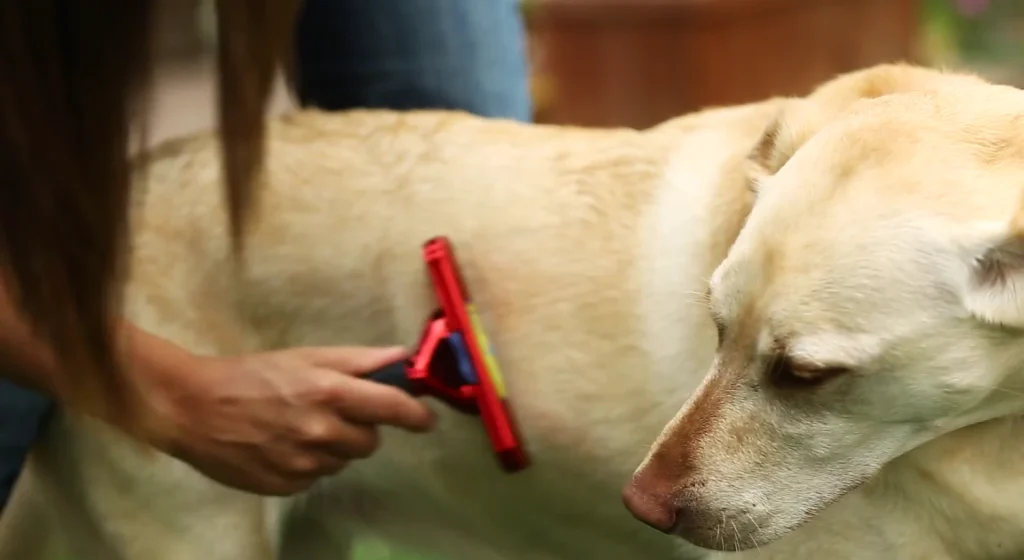
- Brush your dog before getting it wet to remove loose hair and mats that can trap water and shampoo against the skin. This also helps minimize small abrasions that may sting during bathing. If heavy detangling is needed, do it a day or two before the bath.
- Use lukewarm water and gently massage the shampoo into the coat with your fingertips using circular motions. Work from the neck toward the tail while avoiding the eyes, ears, and nose.
Rinsing and Drying
Thorough rinsing is essential to remove all shampoo residue, as leftover product can irritate the skin and contribute to bacterial infections.
Part the coat while rinsing to check for oily or foamy areas that may need additional washing. Pay special attention to:
- Armpits
- Groin
- Under the tail
- Between the toes
- Behind the ears
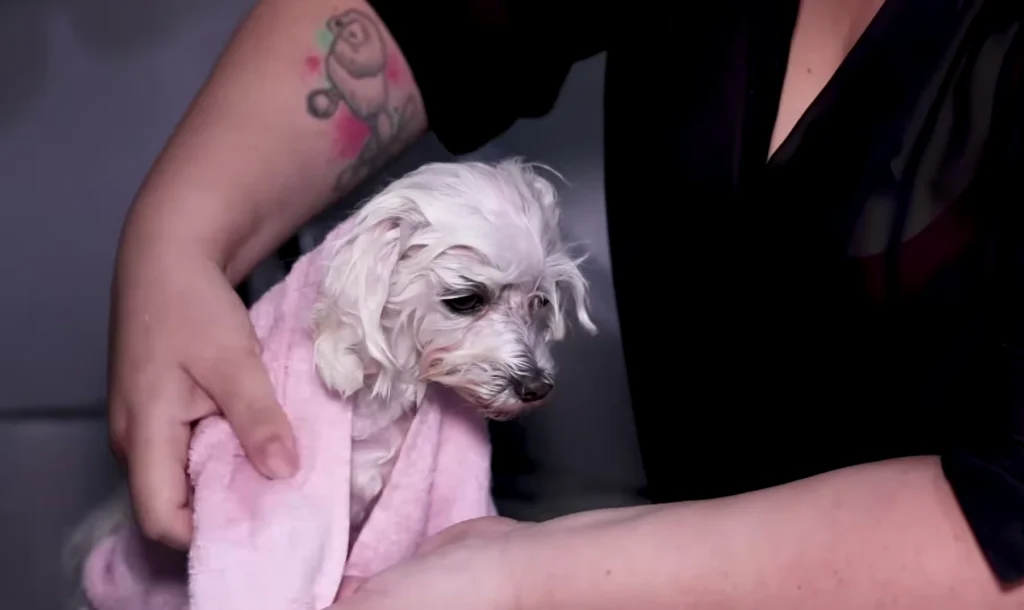
The coat can also retain moisture after bathing. Gently pat the coat dry with towels instead of rubbing. If using a hair dryer, keep it on a low or cool setting and move it continuously to prevent overheating sensitive areas, especially skin folds and between the toes.
Product Selection and Bathing Frequency
Always use shampoos formulated specifically for pets rather than human products.
Dog and cat skin is less acidic than human skin. Human shampoos can disrupt a pet’s natural skin balance, creating conditions that allow harmful bacteria to thrive.
If you are using a medicated shampoo, carefully follow your veterinarian’s instructions. Most medicated shampoos need to remain on the skin for 10 to 15 minutes to provide the intended benefits.
| Pet | Bathing Guidance |
|---|---|
| Healthy dogs | A bath every 4 to 12 weeks is generally appropriate, depending on coat type and lifestyle |
| Healthy cats | Usually keep themselves clean and rarely need baths unless a medical condition prevents normal grooming |
If your pet has irritated skin, open sores, or is sensitive to touch, postpone bathing and consult your veterinarian.
Bathing irritated skin with inappropriate products can worsen inflammation or spread infection. However, medicated baths prescribed by a veterinarian are often an important part of treating many skin conditions.
When Problems Keep Coming Back
If your pet develops redness, bumps, excessive itching, or an unusual odor after bathing, contact your veterinarian.
Recurring skin problems such as repeated ear infections, skin infections, or persistent itching often indicate an underlying medical condition. In many cases, allergies are the primary cause.
Pets that experience recurring skin issues may benefit from evaluation by a veterinary dermatologist.
Addressing the underlying cause as early as possible can make treatment more effective and improve long-term outcomes.