

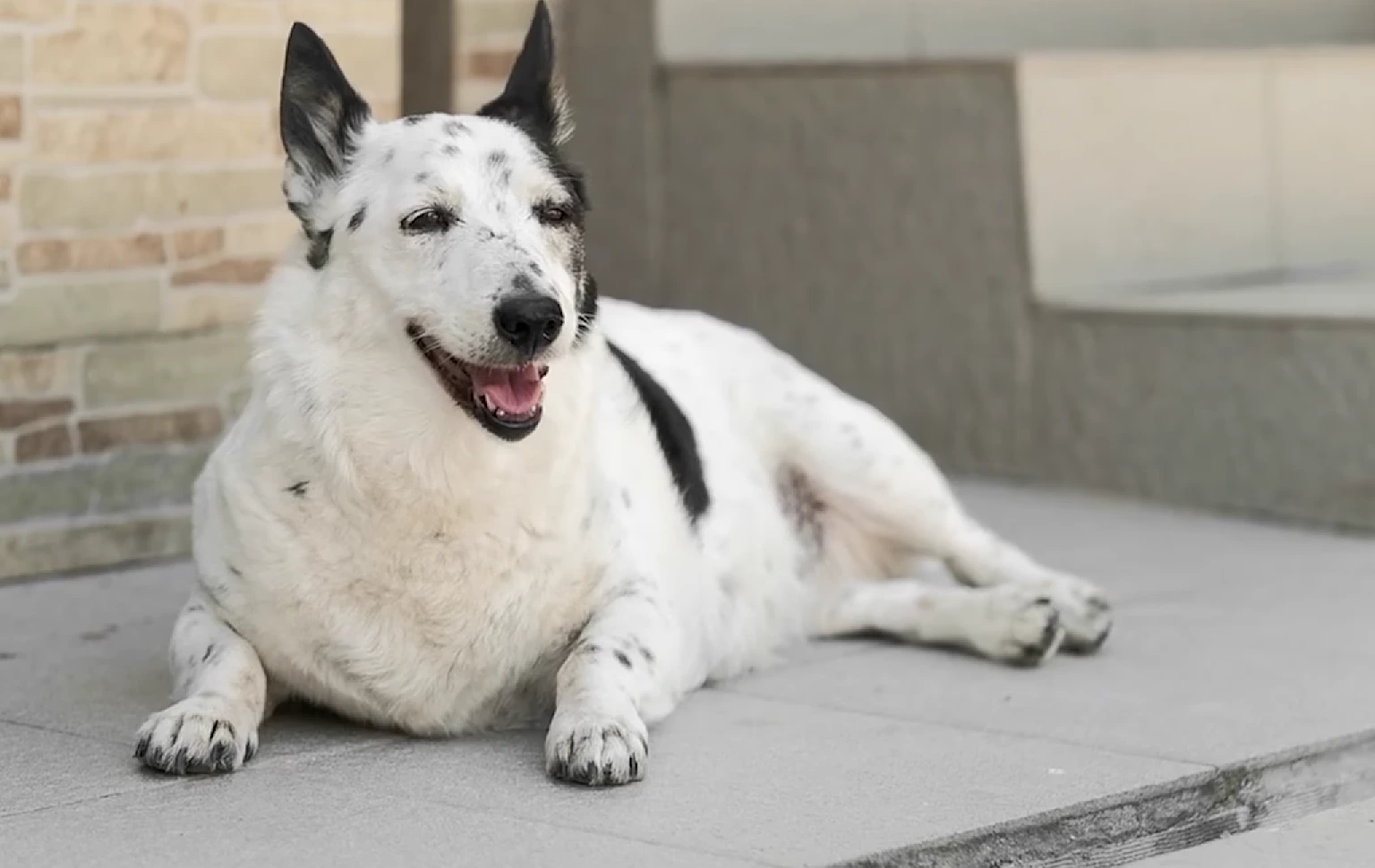
Willow flinched when I lifted her front leg to towel her off after a bath, which she had never done before. I ran my fingers through the area and felt something I hadn’t noticed in weeks of quick brushing: a mat roughly 2 inches wide, packed tight against her skin in her right armpit, damp underneath even though the rest of her coat was drying normally.
When I finally worked the mat loose enough to see the skin beneath it, it wasn’t pink like the rest of her. It was raw, red, and weeping slightly at the edges. That was the moment “she just needs a brush now and then” stopped being good enough.
The Mat That Was Never Just Hair
Willow is a Golden Retriever Dog Advice with a double coat, the kind of coat that looks fine on the surface even when the undercoat underneath is tangling. I had been brushing her twice a week, focused mostly on her back and sides, the parts that show. Her armpits, the area behind her ears, and the fur between her back legs got skipped more often than not, because they’re harder to reach and she doesn’t love being handled there.
Those exact spots, armpits, behind the ears, under the collar, and between the back legs, are the places matting happens fastest in double-coated and long-haired breeds. Friction from movement, trapped moisture from swimming or baths, and loose undercoat that never gets brushed out all combine in those low-airflow areas first.
What Was Actually Happening Under the Mat
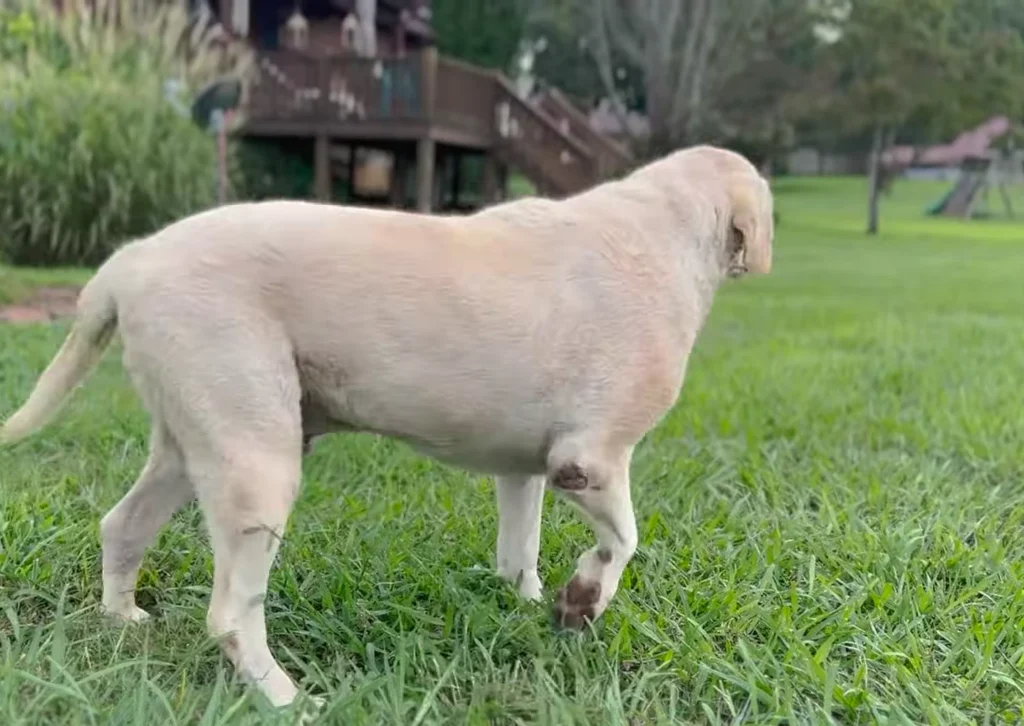
Our vet identified the raw patch as a hot spot, also called acute moist dermatitis, a localized skin infection that develops fast once bacteria get trapped against skin that can’t dry out. The mechanism was straightforward once it was explained:
- The mat pressed tightly against Willow’s skin, sealing off airflow
- Normal moisture from humidity, saliva, and skin oils had nowhere to evaporate
- That damp, warm environment underneath became exactly the kind of habitat bacteria multiply in
- Willow had likely been licking the spot quietly, which our vet said often goes unnoticed because dogs tend to groom sensitive areas out of sight, unlike the dramatic scratching people expect
The vet’s exact words stuck with me: matted fur doesn’t just look messy, it functions like a sealed bandage over irritated skin, except nobody ever removes the bandage.
The Timeline That Made It Click
Piecing together how long the mat had been forming wasn’t hard once I started paying attention:
- Roughly 3 weeks earlier, Willow had gone swimming at a lake and air-dried on the ride home instead of getting toweled and brushed out
- 2 weeks earlier, I noticed her shaking her body more than usual after naps, which I now recognize as mild irritation rather than just a stretch
- The week before the bath, she started avoiding having that leg touched during normal handling, which I’d chalked up to a mood rather than pain
None of those signs seemed connected at the time. Looking back with the mat and the hot spot in front of me, they were the same problem showing up in three different ways before I finally saw it directly.
What Treatment and Recovery Actually Looked Like
The vet clipped the fur around the hot spot short instead of trying to brush it out, since brushing directly over broken or infected skin causes more damage. Treatment included:
- Gentle cleaning of the area with a chlorhexidine-based antiseptic wash
- A short course of oral antibiotics to address the bacterial infection underneath
- A soft recovery collar for 10 days to stop Willow from licking the area while it healed
- A recheck appointment at day 10, where the skin had closed and new fur had started growing back in
By day 14, the spot was fully healed, and the fur had grown back enough that the area was no longer visibly bare.
The Grooming Routine That Replaced “Twice a Week, Mostly”
The brushing schedule didn’t just get more frequent. It got more specific:
- Armpits, behind the ears, and the back-leg area now get checked by hand at every single brushing session, not just visually scanned
- Full towel-dry and brush-out after any swimming, instead of letting her air dry, since damp undercoat left alone is exactly how the original mat started
- A slicker brush reaching down to the skin, not just smoothing the top coat, since surface brushing had been hiding the undercoat tangling underneath the whole time
Grooming Willow used to mean making her coat look neat. Now it means checking the places where a mat can quietly turn into something worse, long before there’s anything to see from the outside.