


SDMA: 16 µg/dL. Normal range: 0 to 14. Creatinine, the number I’d always been told to watch, read completely normal on the same panel.
That’s the line on Copper’s lab report that started all of this. Not a symptom. Not a change in behavior. Just one number on a routine senior dog wellness panel that didn’t match the rest of the picture.
Nothing About Copper Looked Wrong
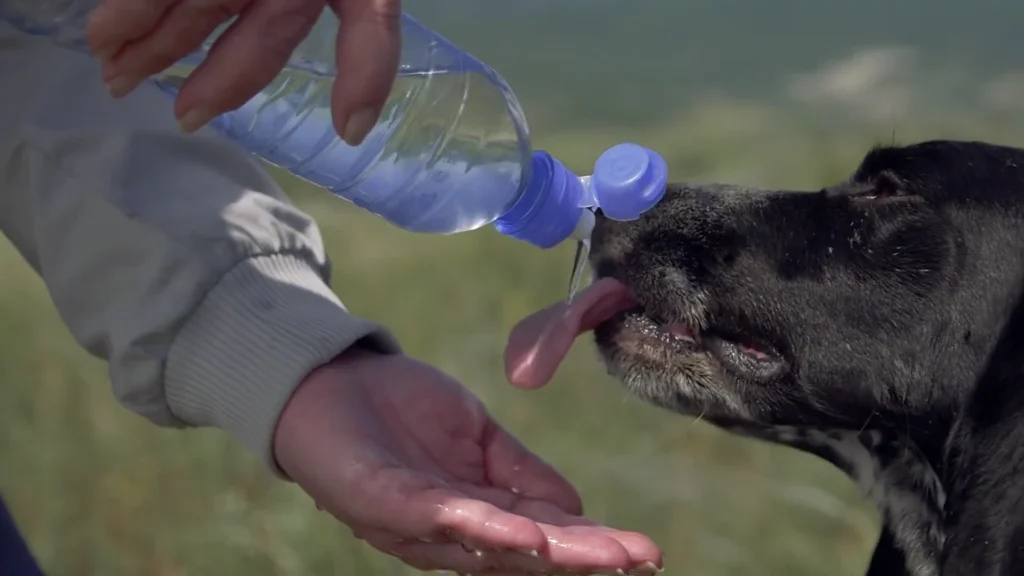
Copper is a 10-year-old retriever mix, and by every visible measure he was fine. Same energy on our morning walks. Same appetite, finishing his bowl in the usual two minutes flat. Water intake hadn’t changed that I’d noticed. If I hadn’t scheduled his annual senior panel that month, purely out of habit, nothing would have prompted a vet visit at all.
That’s exactly the problem with kidney disease in dogs. It doesn’t announce itself early. By the dog advise is drinking more, losing weight, or acting lethargic, a significant amount of kidney function is often already gone.
The Test That Caught It Before Creatinine Could
Our vet had recently started adding a symmetric dimethylarginine (SDMA) test to senior wellness panels for dogs aged seven and up. SDMA is a kidney function marker that behaves differently than creatinine, the standard number most owners have heard of.
Here’s the gap between the two, in plain terms:
- Creatinine typically doesn’t rise until a dog has lost around 75 percent of kidney function
- SDMA can rise when only 25 to 40 percent of function is lost
- Across veterinary studies, SDMA has flagged kidney decline anywhere from 9 to 17 months before creatinine caught up
Copper’s creatinine sat comfortably in the normal range the day of his first elevated SDMA reading. Relying on creatinine alone, as older screening protocols did, would have meant waiting for a number that might not have moved for another year or more.
Confirming It Wasn’t a Fluke
One elevated SDMA reading isn’t an automatic diagnosis. Our vet’s next step was a recheck four weeks later, since a single result can occasionally reflect a temporary factor like mild dehydration on the day of the blood draw rather than a true trend.
Four-week recheck: SDMA 17 µg/dL, creatinine still within normal range.
Two consistent readings above the normal threshold, alongside a normal urinalysis ruling out other causes, were enough for a diagnosis of IRIS Stage 1 chronic kidney disease, the earliest stage on the veterinary staging scale used for canine kidney disease.
What Changed After the Diagnosis
Stage 1 doesn’t come with a dramatic treatment plan. It comes with an early one, which is the entire point of catching it there instead of later:
- Switched to a kidney-support prescription diet, formulated with reduced and higher-quality protein and controlled phosphorus
- Rechecked bloodwork at the three-month mark instead of waiting a full year
- Added a home water fountain to encourage more consistent hydration throughout the day
The Three-Month Recheck
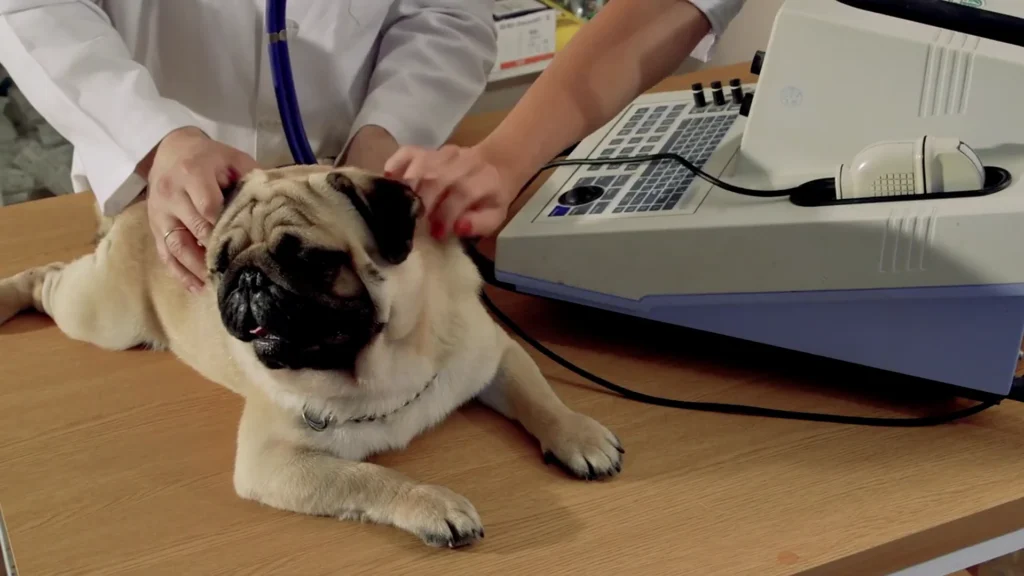
SDMA at recheck: 13 µg/dL. Back inside the normal range, with creatinine still holding steady where it had always been.
That drop doesn’t mean Copper’s kidneys were repaired. Kidney tissue lost to disease doesn’t regenerate. What it means is that the intervention started early enough to ease the workload on the kidney function he still has, before any of it had a chance to decline further.
Why This Changed How I Approach His Yearly Panel
Copper gets SDMA tested every six months now instead of annually, alongside standard bloodwork. Not because anything currently seems wrong. Because the entire value of the test is that nothing looks wrong until it already is.
The advice that actually mattered here wasn’t a tip about food brands or exercise routines. It was one specific question to ask at his next senior wellness visit: is SDMA part of this panel, or just creatinine and BUN. That single question is the reason we caught this at stage one instead of stage three.