

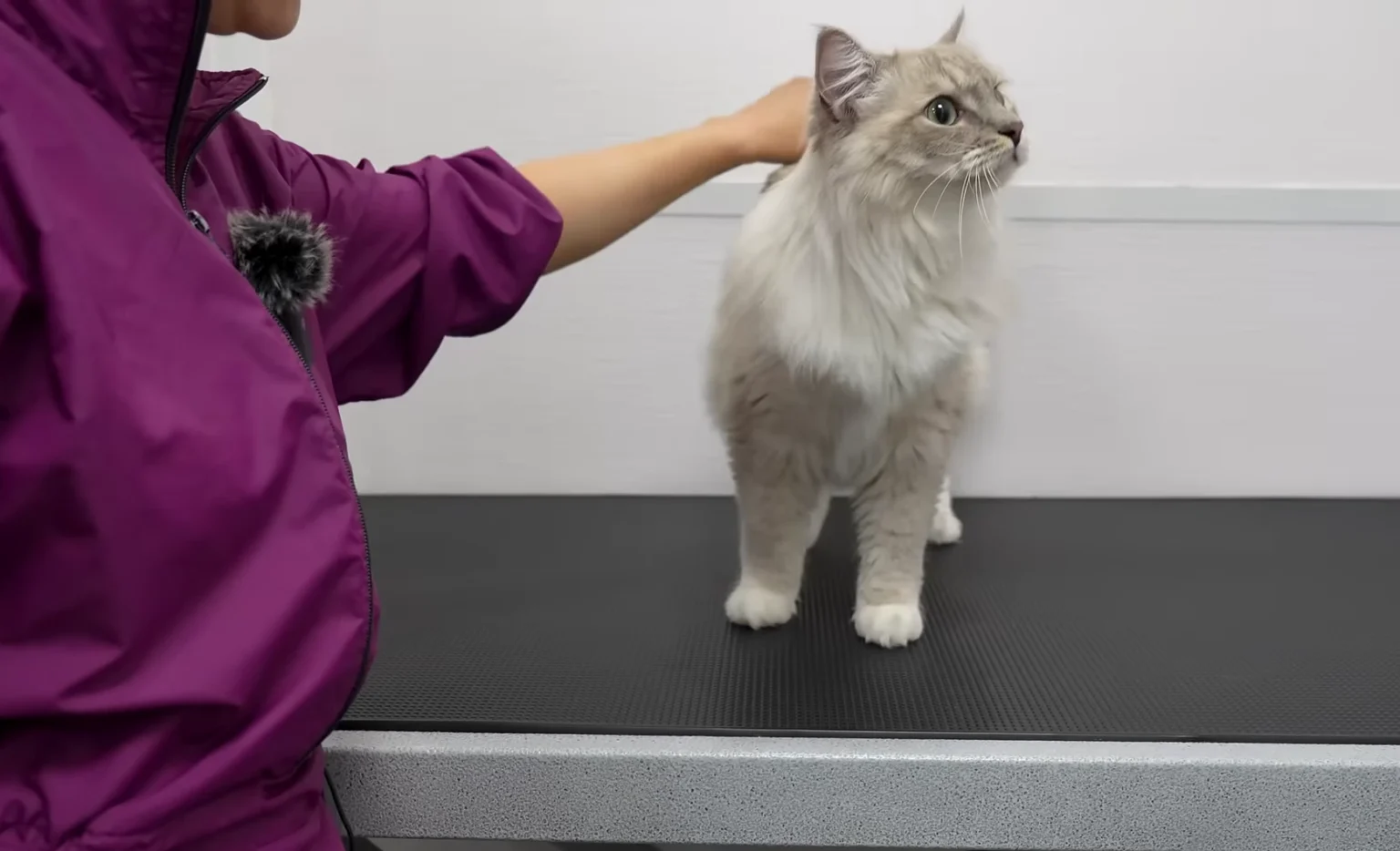
Our cat, Willow, had a mat behind her front leg that seemed simple enough to handle ourselves. We grabbed a pair of regular scissors, lifted the mat, and cut close to the base to get it off quickly. She yelped and pulled away before we even finished the cut, and there was a small nick on the skin underneath that bled more than a scratch that size should have. What we learned afterward from a vet tech explained exactly why. Matted fur tents the skin up underneath it, pulling it away from the body in a way that makes it far easier to catch with scissors than most people expect, especially on a cat, whose skin thinner than a dog’s.
That single mistake changed how cat grooming at home, and it points to something most beginner guides skip over. DIY pet grooming is not simply a smaller, cheaper version of what a professional groomer does. It requires understanding the specific risks of the tools being used, because the wrong technique applied with good intentions can cause a real injuryhttps://rspcapetinsurance.org.au/pet-talk/common-cat-injuries/ in seconds.
Why Cutting That Mat Was the Wrong Approach
Skin Tents Up Inside a Mat, and That Changes Everything
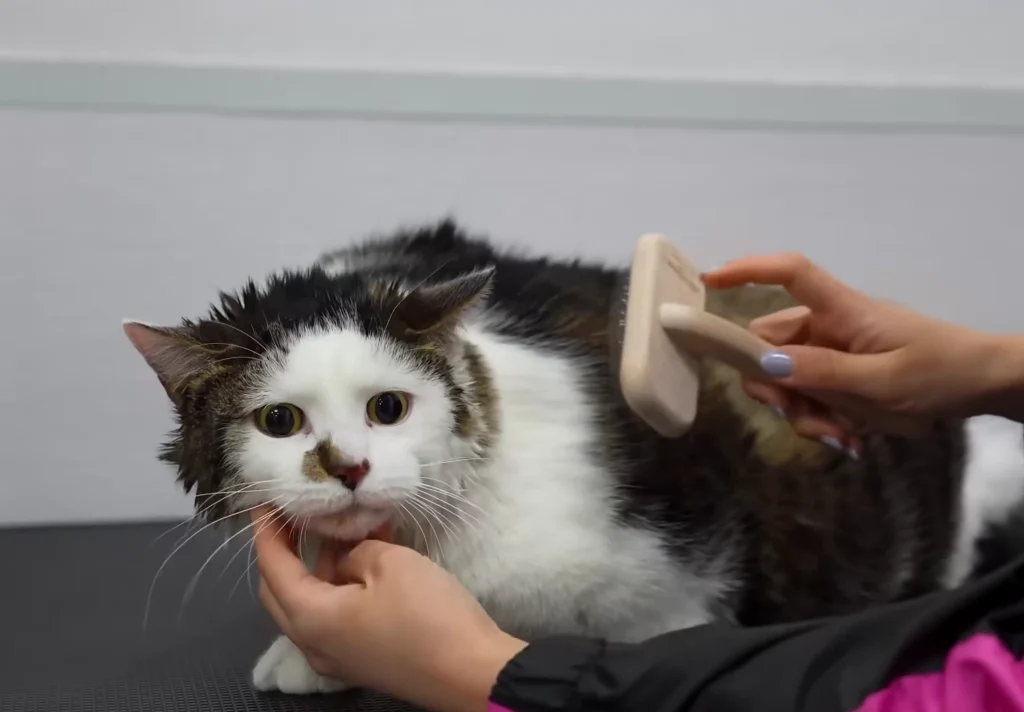
A mat does not sit flat against the skin the way a section of clean fur does. It gathers and pulls, tenting the skin upward into the tangle itself, which means a pair of scissors aimed at the mat is often much closer to skin than it appears. This is true for dogs as well, but it matters even more with cats, since their skin is thinner and more prone to nicking than most owners realize until the moment it happens.
What We Should Have Used Instead
A demitting comb or a mat splitter, designed specifically to work through a tangle in small sections without a blade anywhere near the skin, is the safer standard tool for this exact situation. For anything beyond a small, loose tangle, working slowly from the outer edge of the mat inward, rather than attacking it in one cut, avoids the tenting problem almost entirely.
Reading the Right Signals Before Starting Any Session
Rushing a Nervous Pet Makes Every Future Session Harder
The single biggest mistake in home grooming, across species, is trying to force too much progress in one sitting. Pets remember rough handling, and a session that ends in panic tends to make the next session harder rather than easier. Short sessions that end on a calm note, paired with treats and praise, build tolerance over time in a way that a single long, forced session never does.
Watching for the Point Where a Pet Has Had Enough
Stopping before a pet reaches full protest, rather than pushing through to finish a task completely, protects the relationship between the owner and the grooming routine itself. A cat advice or dog that associates being handled with a fight is one that becomes progressively harder to groom safely at home over time, which usually pushes owners toward professional groomers not because home grooming failed, but because trust broke down somewhere along the way.
The Tools That Actually Matter for Home Grooming
Matching Tools to Coat Type Instead of Buying Everything
A soft slicker brush or metal comb works well for most coats, while a deshedding tool helps specifically with a thick undercoat, but overusing a deshedding tool can pull healthy hair and irritate skin rather than simply removing loose fur. The goal is not owning every tool available. It is understanding which one or two tools actually match the coat being worked with.
Nail Trims Deserve Patience, Not Speed
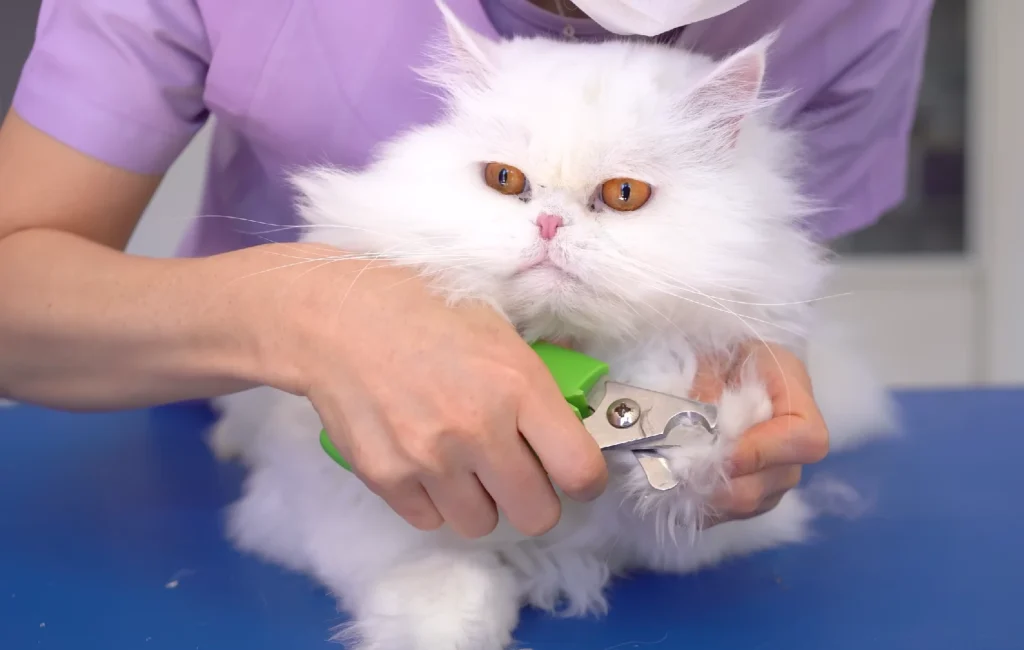
Getting a pet comfortable with paw handling before ever picking up clippers makes the actual trim far less stressful when it happens. Taking small clips, especially on darker nails where the quick is harder to see, and stopping if a dark central dot appears in the cut surface, prevents most accidental cuts before they happen. Keeping styptic powder or cornstarch on hand turns an accidental nick into a minor pause rather than an emergency.
Ears and Teeth Are Grooming Too, Even Though They Get Skipped
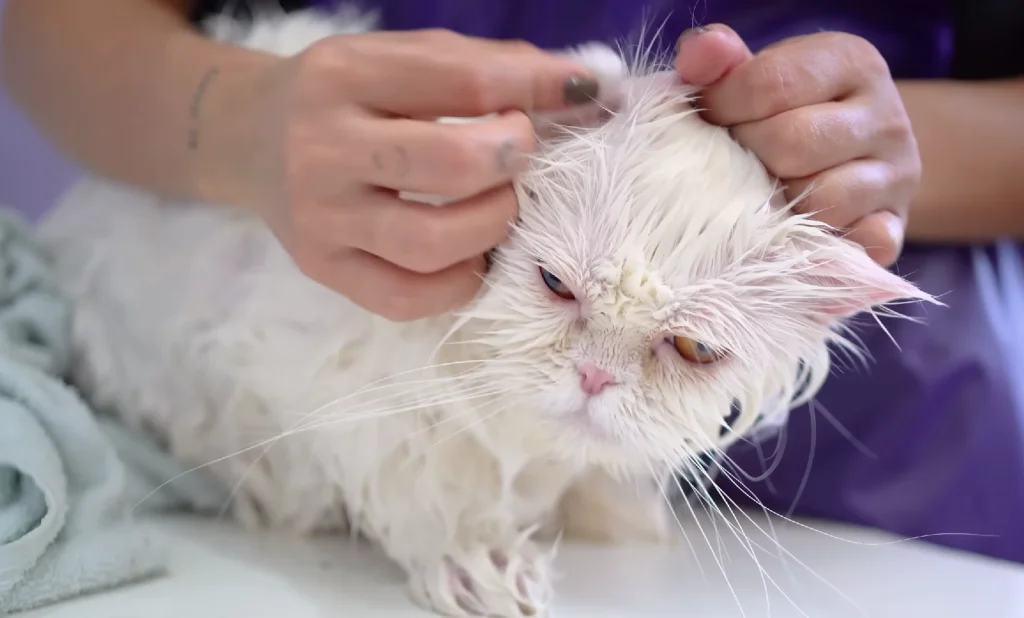
Ear problem checks and gentle dental handling, even just lip lifts and mouth touches for a pet not yet ready for a full toothbrush, belong in the same routine as brushing and nail trims. Bad breath, drooling, or dropped food during eating can point to developing dental disease rather than a simple grooming gap, and catching that early during a routine session is one of the quieter benefits of doing this work at home consistently.
Finding the Right Balance
Too Little and Too Much Grooming Cause Different Problems
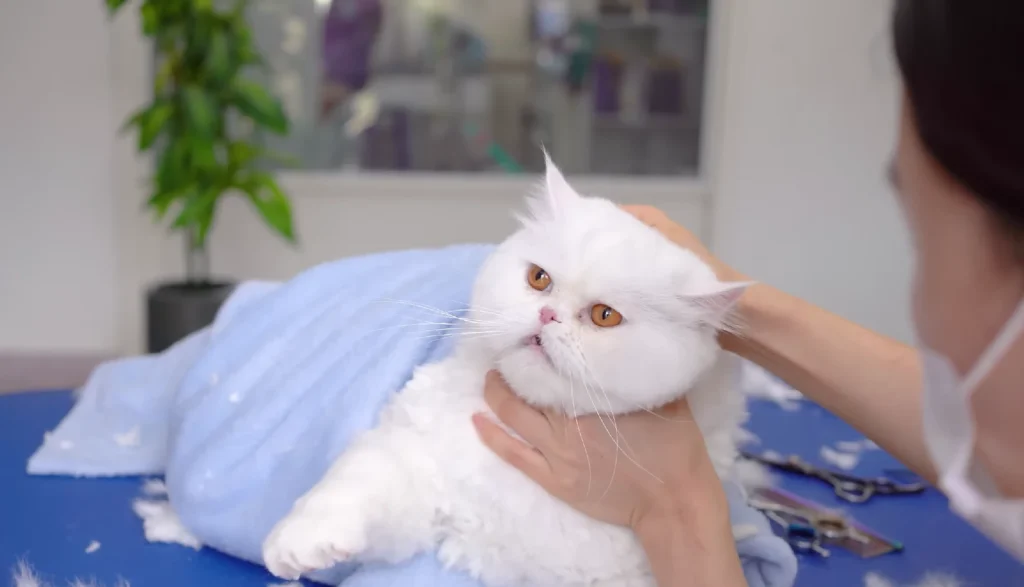
Skipping grooming for too long allows tangles, excess shedding, and hidden skin issues to build up unnoticed, but grooming too aggressively or too often can stress a pet and irritate the skin in its own way. The actual goal is not a flawless coat after every session. It is a healthy coat, manageable nails, and a pet that does not brace every time hands come toward it.
Knowing When to Bring in a Professional
Persistent matting, visible skin irritation, aggressive scratching or biting during handling, and any pet with an existing medical condition are situations where continuing to push through at home usually creates more risk than it resolves. Recognizing that line is part of doing DIY grooming responsibly, not a sign that home grooming has failed as an approach.
What Changed for Willow
The nick from that first attempt healed within a few days with no lasting issue, but her tolerance for anything resembling scissors near her fur took much longer to rebuild. We now use a mat splitter for anything beyond a light tangle, work in short sessions that end well before she shows real frustration, and check her ears, teeth, and paws during the same routine rather than treating each as a separate task. Nothing about her coat or her temperament changed after that mistake. What changed was respecting exactly how thin the line is between a helpful grooming session and an accidental injury, and building a routine around that line instead of around convenience.