

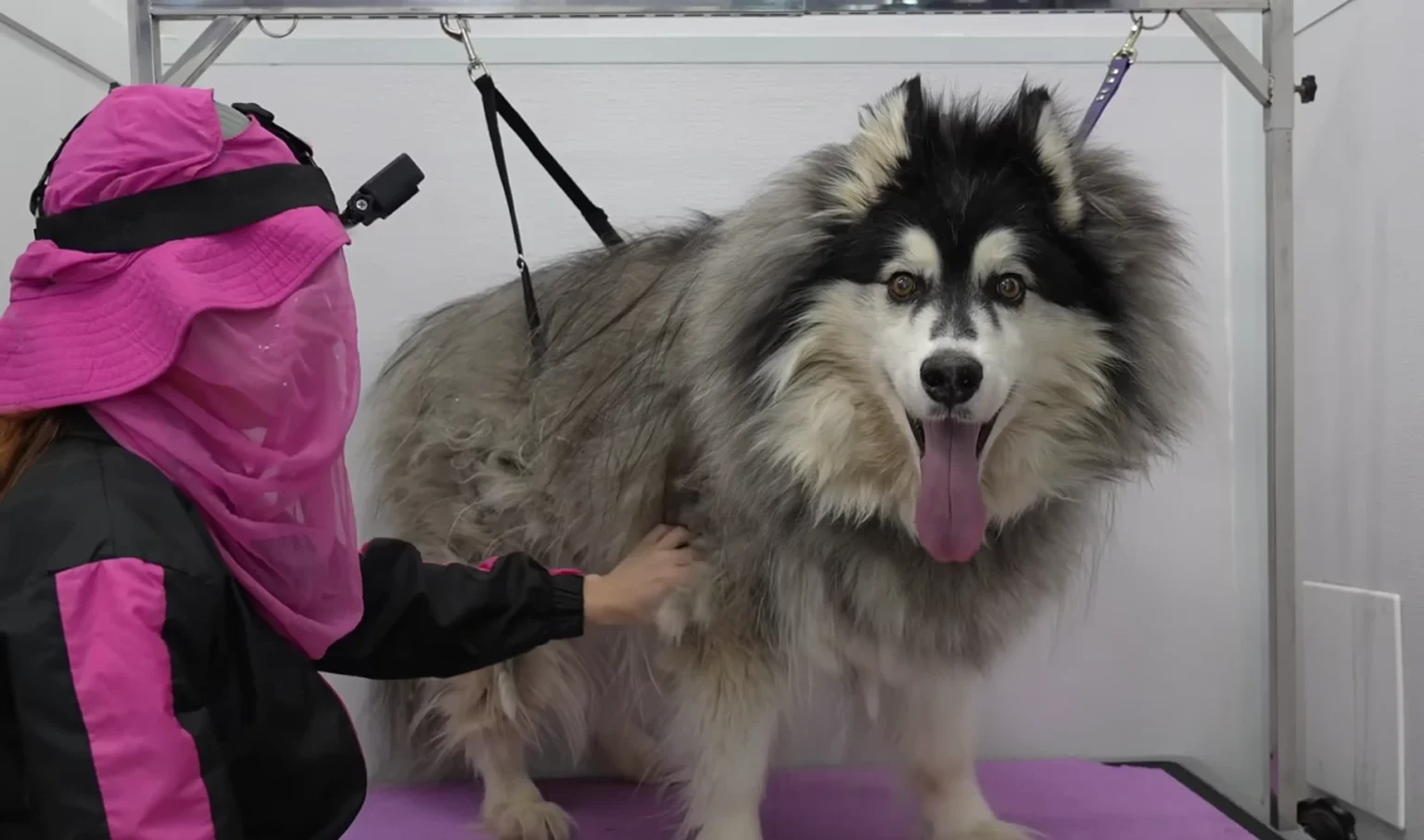
We shaved our Siberian husky mix, Koda, down to almost nothing right before a heat wave, convinced we were doing him a favor. Within a month his coat had grown back patchy and uneven, and by the following summer he was panting harder outside than he ever had before, even in similar temperatures. A groomer eventually explained what we should have known before touching the clippers. Koda’s double coat was never insulation to be removed for comfort. It was his actual temperature regulation system, and shaving it off had damaged the very thing meant to keep him cool.
That mistake reshaped how we approach every grooming task at home now, and it points to the real gap in most DIY grooming advice. Home grooming done well is not about replicating a salon with cheaper tools. It requires understanding what a specific dog’s coat actually needs, because the wrong technique applied confidently can cause more damage than skipping grooming altogether.
Why Shaving Koda Was the Wrong Move From the Start
Double Coats Regulate Temperature, They Do Not Just Add Bulk
Dogs with double coats, including huskies, golden retrievers, and many other breeds, rely on that undercoat to insulate against both heat and cold, and shaving it down can permanently damage the coat’s structure and disrupt its ability to regulate temperature properly going forward. The fur was never simply extra weight to remove in warm weather. It was doing a job, and removing it did not make Koda cooler. It made his body work harder to manage heat that his coat used to help regulate on its own.
What We Should Have Done Instead
For a double-coated dog, the actual solution to summer shedding and heat is more frequent brushing and deshedding, not clipping the coat short. A slicker brush or an undercoat rake, used consistently through shedding season, removes the loose insulating layer that traps heat while leaving the outer guard hairs intact to do their job. This takes more regular effort than a single haircut, but it works with the coat’s biology instead of against it.
The Tools That Actually Matter, and the Ones That Do Not
Brush Choice Depends on Coat Type, Not Popularity
One of the most common mistakes among first-time groomers is picking a brush because it is popular or well-reviewed rather than because it matches the dog’s actual coat. A slick metal pin brush works well for longer coats, pulling out dirt and debris efficiently, while a shedding blade is more effective on short-haired breeds where fine hair needs to be lifted out quickly. Buying a large kit with every tool imaginable solves nothing if none of it is matched to the coat in front of you.
Brushing Before Bathing, Not After
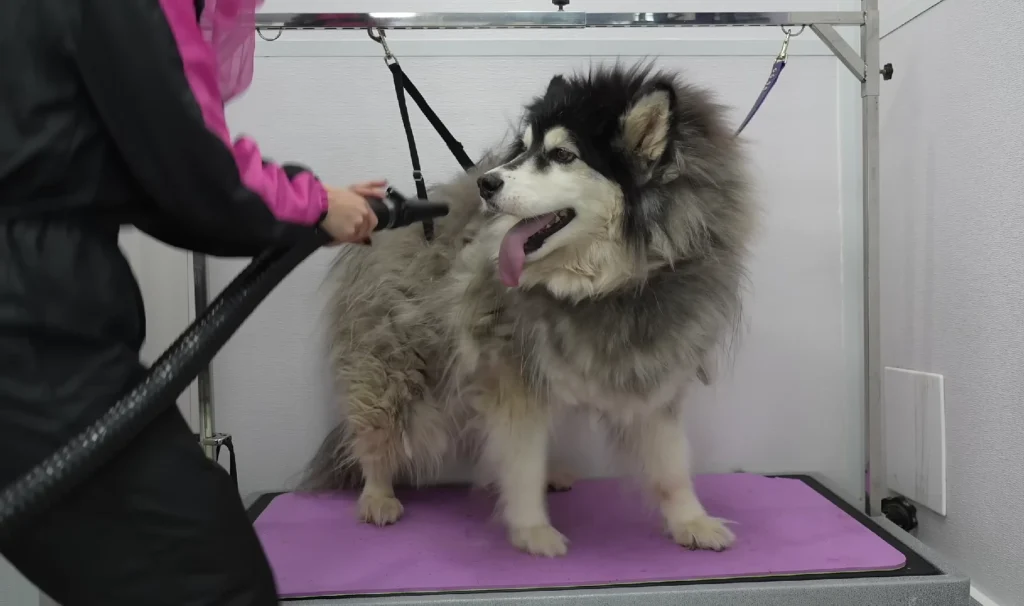
A common sequencing mistake is bathing a dog before brushing out tangles and loose fur. Bathing first just creates dirtier bathwater and a dog that is still tangled underneath a wet coat, which makes mats worse rather than better. Brushing thoroughly before any water gets involved removes the heavy dirt and loose hair first, so the bath actually finishes the job instead of complicating it.
Human Shampoo Does Real Damage
Human shampoo is formulated for a different skin pH than a dog’s, and using it regularly can strip natural oils and cause the kind of dryness and irritation that then gets mistaken for a separate skin condition. A shampoo made specifically for dogs, chosen with the dog’s coat and skin type in mind, is not a minor detail. It is the difference between a bath that helps the skin and one that quietly damages it.
The Steps That Actually Prevent Injury
The Grooming Table and the Tip of the Shears
For dogs still learning to hold still, securing them on a stable grooming table reduces the risk of sudden movement turning a routine trim into an accident. When trimming around the face, tail, or feet, using only the tip of the shears rather than the full blade gives more control if the dog shifts unexpectedly mid-cut, which matters most in exactly the areas where a mistake would do the most damage.
Paw Trimming Needs Its Own Careful Approach
Hair between the toes can mat or trap debris if left untrimmed, but this area also sits close enough to sensitive skin that a small, blunt-edged tool matters more than a fast one. Trimming this hair even with the paw pad, rather than guessing at length, avoids leaving the dog with an uneven gait or exposed skin that catches on surfaces.
Nail Trims Deserve a Slow Approach and the Right Backup Tool
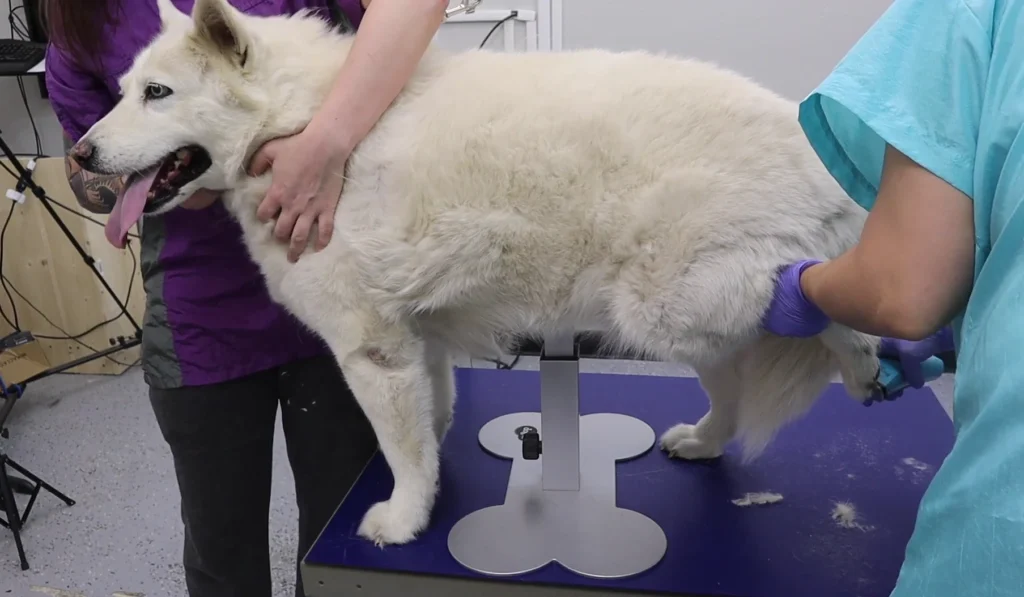
Overgrown nails change how a dog’s paw meets the ground and can cause discomfort with every step, but trimming too far back risks cutting into the quick. Keeping a clotting powder on hand before starting a nail trim turns a potential emergency into a minor, manageable moment rather than a stressful one for both the dog and the owner.
Knowing When DIY Grooming Should Stop
Some Situations Call for a Professional, Not a Confidence Boost
Severe matting, persistent skin irritation, aggressive nail overgrowth, and any dog with an existing medical condition are situations where continuing to attempt a home fix usually creates more risk than it removes. Recognizing the point where a problem has moved past routine maintenance and into something that needs professional or veterinary attention is part of doing DIY grooming responsibly, not a failure of it.
What Changed for Koda
His coat took nearly two full growth cycles to fully recover its normal pattern, and we now stick to weekly deshedding sessions through the warmer months instead of reaching for clippers. The brushing takes longer than a single haircut ever did, but his coat now does the job it was always built to do, keeping him cooler in summer the way it was designed to, rather than leaving him without the system that used to manage it for him.