

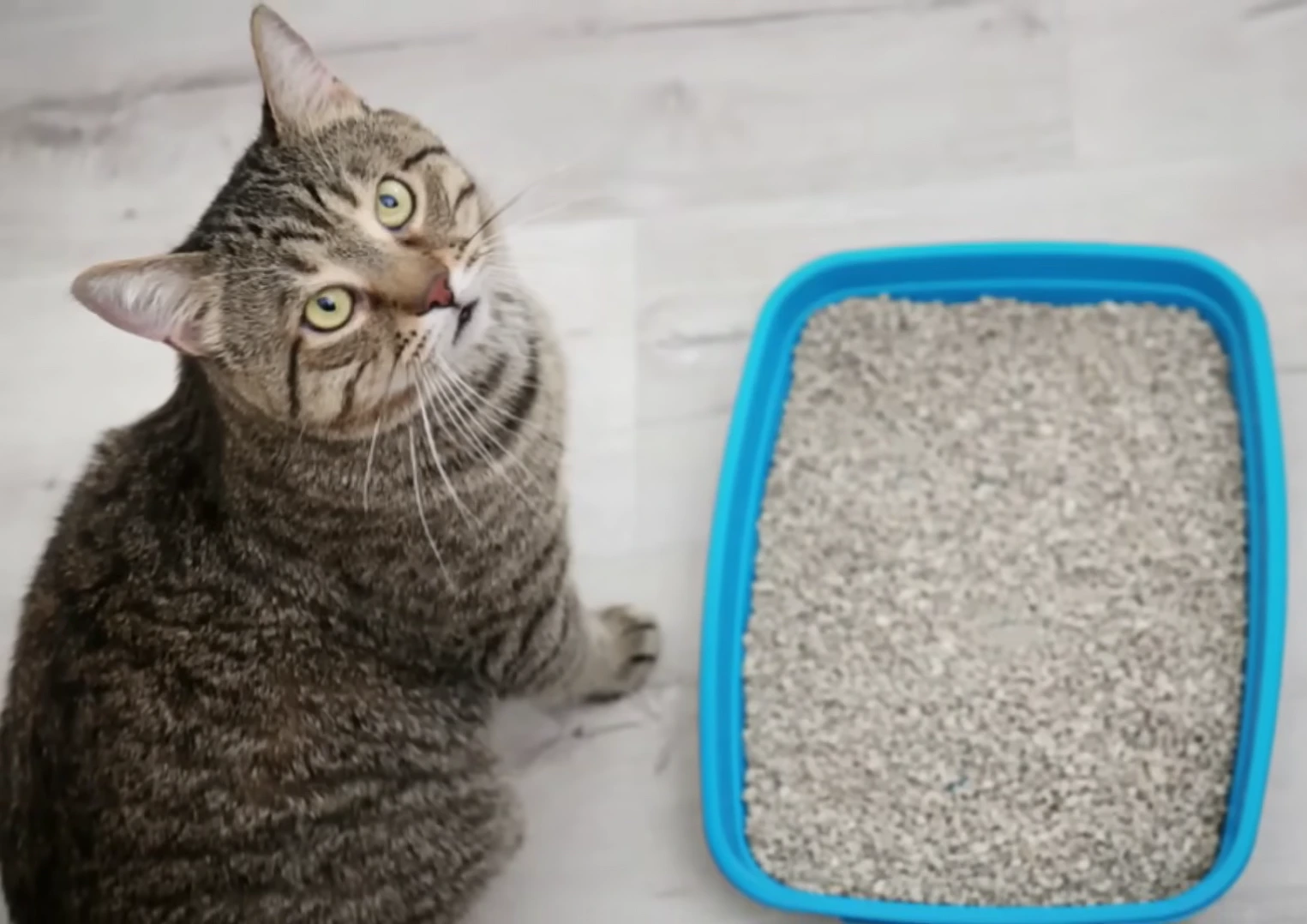
Marmalade had been using the same corner of the laundry room for three years without a single accident. Then, over about ten days, her owner noticed she was going in and out of the box more often, sometimes without producing much, and once she left a small amount of blood on the litter. It would have been easy to write this off as “she’s just getting older” or a one-off stomach upset. Instead, it turned into a lesson about one of the most overlooked mistakes cat owners make, and it is not laziness or neglect. It is misreading what a cat’s daily habits are actually telling you.
The Mistake Behind the Mistake
Most articles about cat care mistakes list the obvious ones: skipping vet visits, overfeeding, ignoring the litter box. Those are true, but they miss the real issue underneath all three. Cats are experts at hiding illness, and that instinct does not switch off just because they live on a couch instead of in the wild. A cat that is quietly uncomfortable will often keep eating, keep grooming, and keep acting mostly normal, right up until the problem is serious.
This is why an all-dry food diet is such a common trap. Dry kibble is convenient, shelf-stable, and marketed heavily, but it does not give most cats enough moisture. Cats evolved from desert-dwelling ancestors and often do not drink enough water on their own to make up the difference. Over months or years, that chronic mild dehydration puts extra strain on the urinary tract and kidneys, and by the time an owner notices straining, frequent trips to the box, or blood in the urine, the irritation has usually been building for a while.
Marmalade’s owner had been feeding an exclusively dry diet since kittenhood, on the advice of a pet store employee years earlier. It seemed reasonable at the time. It was also, according to the vet who examined her that week, a major contributor to the irritation showing up in her litter box behavior.
What the Vet Actually Looked For
Reading the Litter Box Like a Chart
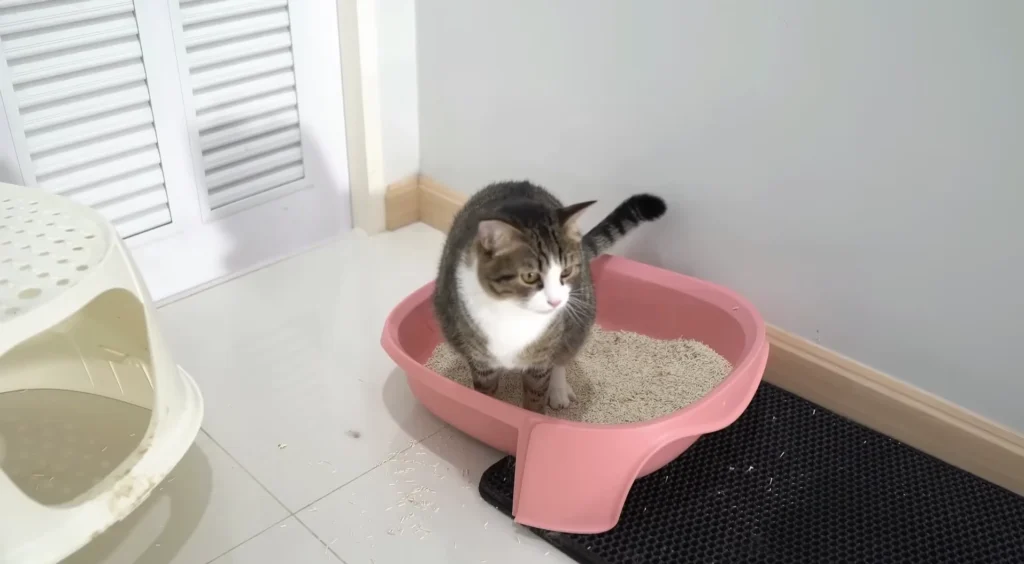
A vet examining a cat with urinary symptoms is not just checking for infection. They are piecing together a timeline: how often the cat is going, how much urine is produced each time, whether there is straining, and whether the behavior started suddenly or crept in gradually. In Marmalade’s case, the gradual increase in frequency combined with small output pointed toward chronic irritation rather than a sudden blockage, which changed the urgency and the treatment plan.
Bloodwork as a Second Opinion
A urinalysis and basic bloodwork gave a clearer picture than symptoms alone could. This is standard for cats showing urinary changes, and it is also why annual bloodwork for outwardly healthy cats matters. Blood tests can catch kidney stress, thyroid changes, or early diabetes long before a cat shows any obvious signs, because cats are built to mask discomfort until it becomes unavoidable.
The Diet Conversation
Once the immediate irritation was treated, the bigger conversation was about moisture intake. The recommendation was not to abandon dry food entirely, but to shift the balance toward wet food and to add a second water source, since many cats prefer moving water and will drink more from a fountain than a still bowl.
Where the Real Mistake Usually Starts
Assuming Normal Behavior Means Nothing Is Wrong
The hardest part of this story is that Marmalade was not lethargic, was not refusing food, and was still affectionate and playful. Everything about her day-to-day behavior looked fine except for one detail in the litter box. Owners who wait for a cat to “act sick” before calling a vet are often waiting for a stage of illness that arrives much later than the actual problem.
Treating Yearly Checkups as Optional for a Cat That Seems Fine
A cat that seems perfectly healthy can still be in the early stages of a developing condition, which is exactly why annual exams exist even for cats with no visible symptoms. Skipping the visit because “she’s fine” removes the one regular opportunity to catch small changes in weight, teeth, or bloodwork before they become expensive or painful problems. Dental disease alone affects a large share of cats by the time they reach three years old, often with no obvious sign beyond mild bad breath that owners assume is normal.
Choosing Convenience Over the Cat’s Biology
Feeding decisions often get made based on price, shelf life, and convenience rather than what a cat’s body actually needs. Cats are obligate carnivores with a biological need for moisture-rich food, and building a diet primarily around dry kibble is a decision made for the owner’s schedule, not the cat’s physiology.
What Changed After the Diagnosis
Marmalade’s owner switched her to a wet-food-heavy diet, added a second water bowl on a different floor of the house, and now schedules her annual exam the same week every year instead of “whenever it comes up.” Her litter box habits returned to normal within about two weeks of the dietary change, and her last bloodwork came back clean.
None of this required expensive equipment or a dramatic intervention. It required paying attention to a detail that seemed minor and taking it to a vet before it became a bigger problem. That is usually where the real difference between good and poor cat care actually lives, not in some elaborate routine, but in noticing the small signals a cat is already giving you.