

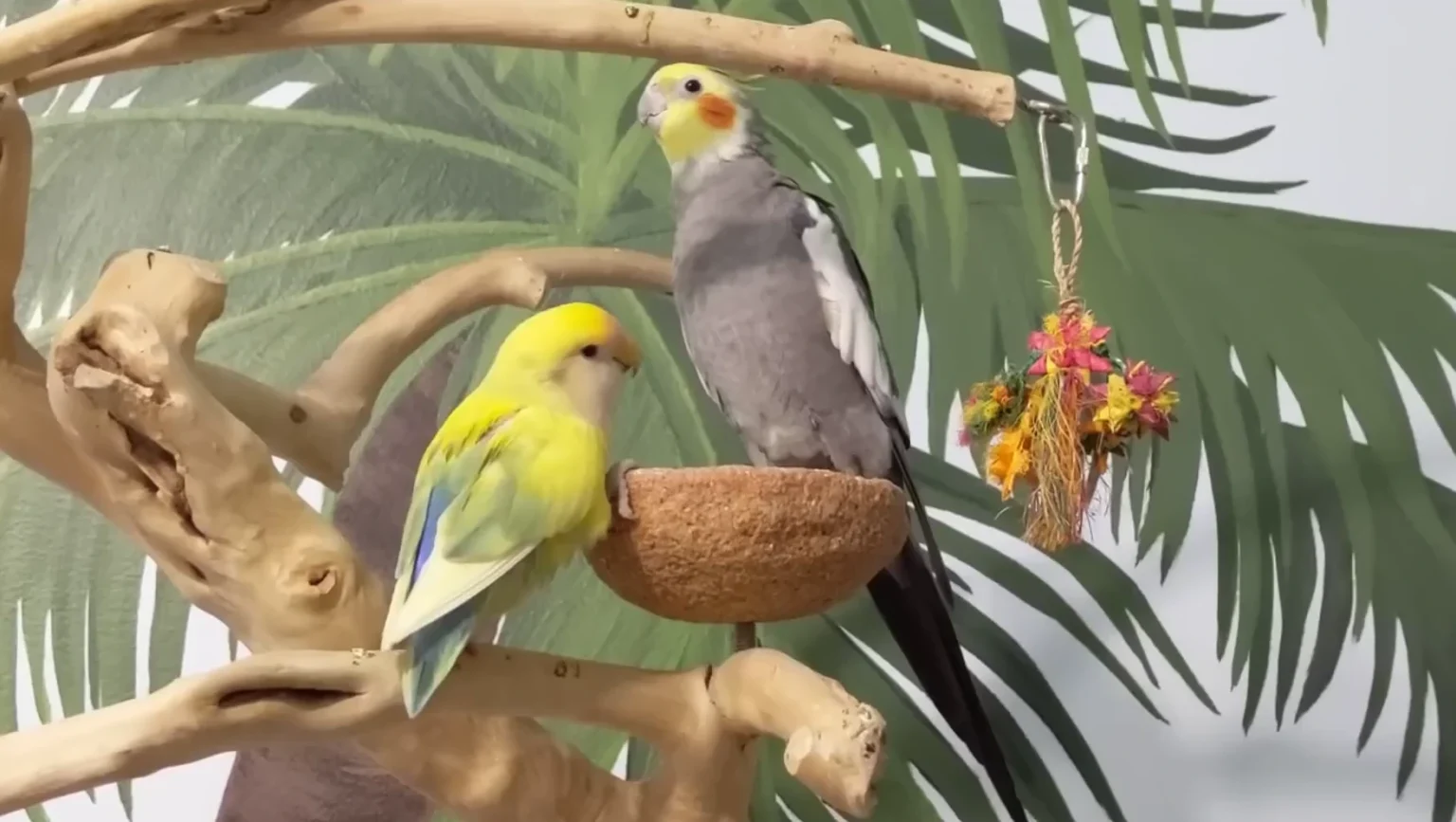
Our first bird was a peach-faced lovebird named Coco, chosen almost entirely because she was the most colorful bird in the store. Nobody asked about her temperament, her noise level, or what she would need once she got home. Within a week she was biting hard enough to draw blood, screaming through most mornings, and clearly unhappy being kept alone. It took nearly eight months of research and behavior work to understand that Coco was not a bad bird. She was simply the wrong first bird for a household that had picked her on looks alone.
That mistake is more common than most beginner guides let on, and it points to the actual problem with how people choose a first pet bird. The right beginner bird is not about which species looks the nicest in a cage. It is about matching a bird’s actual temperament, noise level, and social needs to the realistic shape of someone’s daily life.
Why Coco Was the Wrong Fit From Day One
Lovebirds Are Not Actually Beginner-Easy in the Way Their Name Suggests
Despite the friendly-sounding name, lovebirds have a reputation among avian vets and breeders for being more territorial and nippy than their small size suggests. They also do not tolerate being left alone particularly well, and a single lovebird kept without a companion or significant daily interaction is far more likely to develop behavioral problems, which is exactly what happened with Coco during the long stretches she spent alone while we were at work.
None of this makes lovebirds bad pets. It makes them a specific kind of commitment, one that suited an experienced bird owner with time to invest far better than it suited us as complete beginners.
Noise Level Is the Detail Most Beginners Skip
Every bird species has a different baseline noise profile, and this detail gets buried under photos and personality descriptions in most buying guides. Budgies chatter constantly but at a low, manageable volume, while lovebirds carry a sharp, high-pitched call that can be startling in a small apartment. Cockatiels whistle and can get loud, particularly in the morning, and canaries sing beautifully but almost constantly throughout the day. Anyone living in a rental, sharing walls with neighbors, or working irregular hours should treat noise tolerance as a filtering question before falling in love with a specific species.
The Species That Actually Deserve the Beginner Label
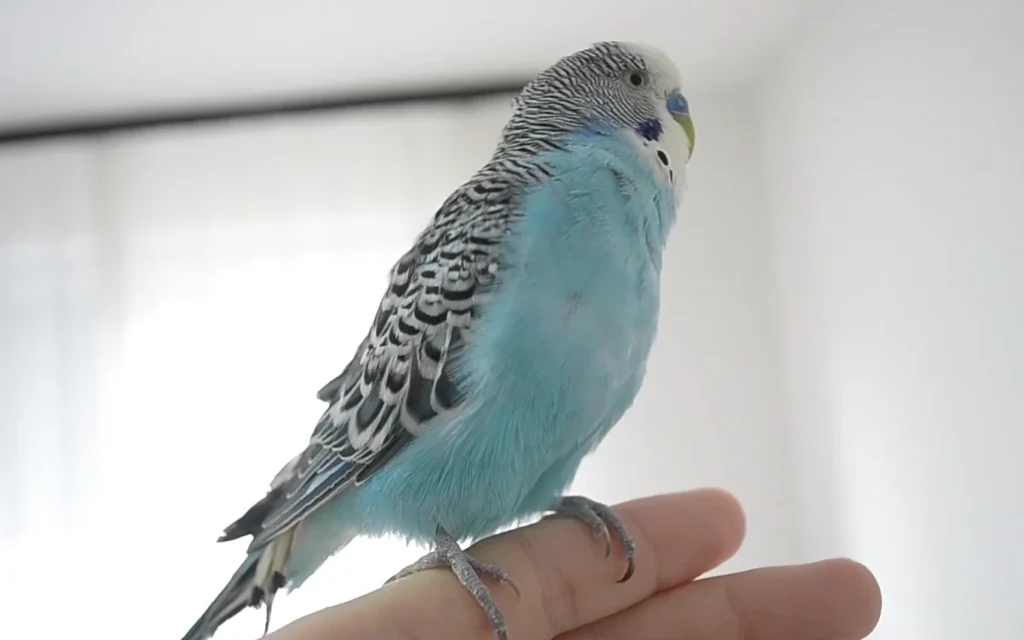
Budgies
Budgies are the species most consistently recommended for first-time owners, and the reasoning holds up under scrutiny. They are small, relatively affordable, live around 10 to 12 years, which is a real but manageable commitment, and they are genuinely forgiving of the handling mistakes a first-time owner is likely to make. A well-socialized budgie will happily learn simple words and sit contentedly on a shoulder, and their chatter stays at a volume most households can live with.
Cockatiels
Cockatiels sit just behind budgies as a close second, offering a bit more interactive personality in exchange for a larger cage and a longer lifespan that can stretch past 20 years. They are known for riding on shoulders, whistling learned tunes, and genuinely enjoying hands-on time, but new owners are often caught off guard by how much powder down they produce, a fine dust that means more frequent cleaning around the cage.
Canaries
Canaries are the right choice for someone who wants a bird primarily for the experience of birdsong rather than hands-on interaction. They do not require or particularly want to be handled the way budgies and cockatiels do, which makes them a strong fit for someone who wants a beautiful, low-contact companion rather than a bird that expects daily time out of the cage.
Finches
Finches, kept in pairs or small groups rather than alone, offer the lowest daily demand of any commonly recommended beginner bird. They are content watching each other, do not require the same level of direct handling, and stay relatively quiet compared to the rest of the beginner list. Anyone who wants the visual and auditory enjoyment of birds without a significant hands-on time commitment tends to do well starting here.
The Three Questions That Would Have Saved Us Eight Months
How Much Daily Hands-On Time Can Actually Be Committed, Not Wished For
The honest answer for our household was less than we assumed, since work schedules left Coco alone for eight or nine hours most days. A species that tolerates or even prefers more independence, like a pair of finches or a canary, would have matched that reality far better than a lovebird that needed consistent companionship to stay well-behaved.
What Noise Level Is Actually Livable in the Space
We lived in a building with thin walls and never once considered how a lovebird’s call would carry until neighbors started commenting. This is a five-minute research question that gets skipped constantly in favor of picking a bird based on color or personality descriptions alone.
What the Full Lifespan Commitment Actually Looks Like
Cockatiels can live over 20 years and budgies typically live 10 to 12, both of which are real commitments that deserve honest consideration rather than an afterthought made at the register. A bird chosen without factoring in a decade or more of daily care is a decision made for the moment, not for the years that follow it.
What We Would Do Differently
We eventually rehomed Coco with an experienced lovebird owner who had the time and space her temperament actually needed, and brought home a pair of budgies instead. The difference in daily life was immediate. They tolerated our schedule, matched our noise tolerance, and forgave the small handling mistakes that come with genuinely being new at this. The species did not change between those two decisions. What changed was actually asking the right questions before choosing, instead of after.