

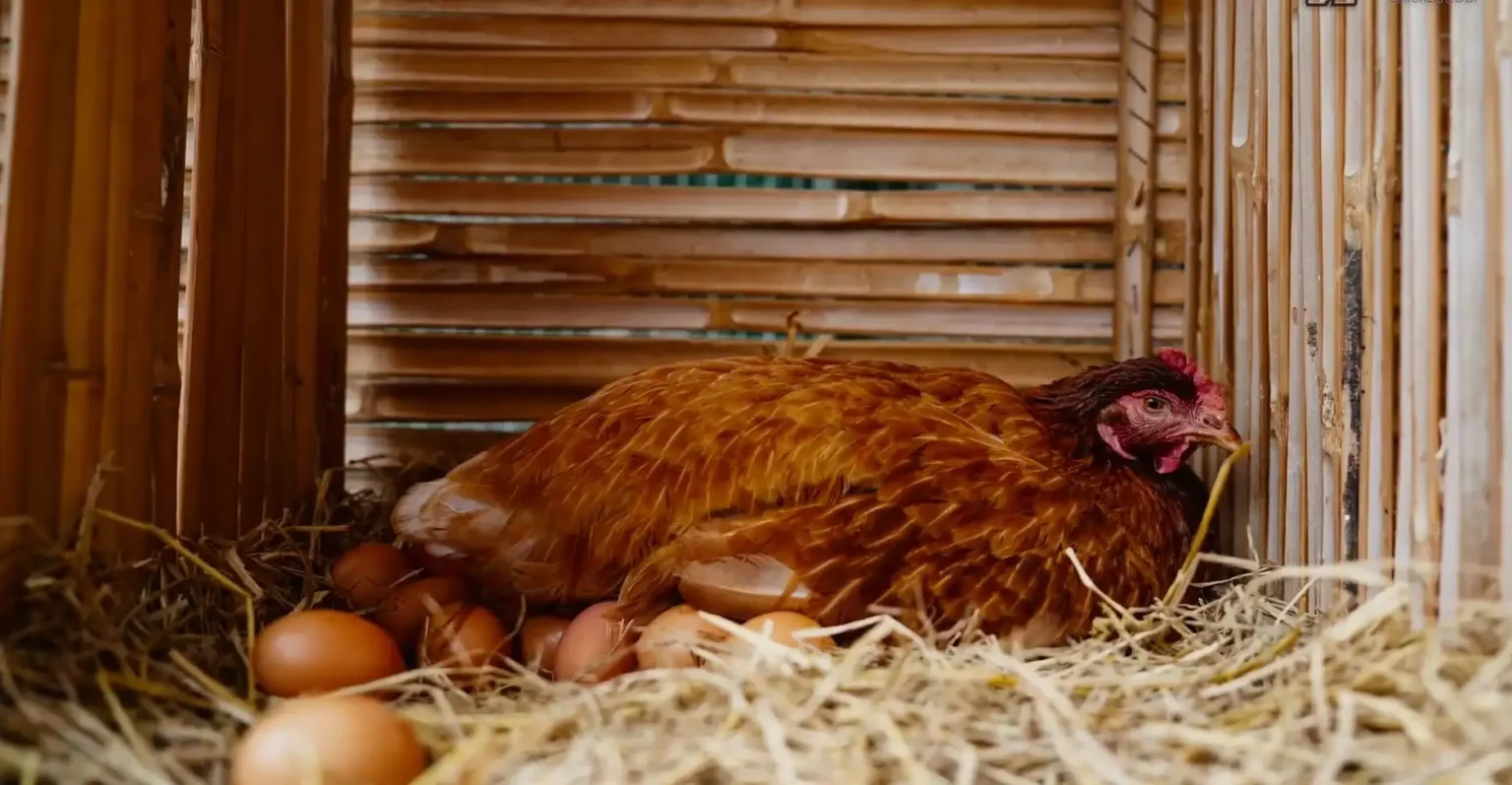
Twelve eggs collected on a Sunday morning. Eight of them either cracked in the nesting box or had shells thin enough to dent under light finger pressure. That ratio is what sent me looking past “chicken just have off weeks” and into the feed bag itself.
The Flock Behind the Numbers
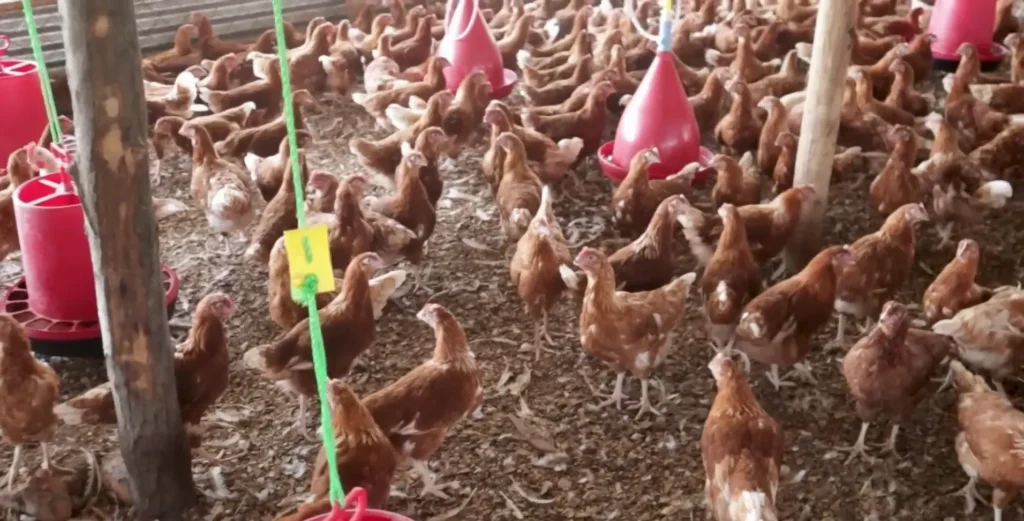
I keep a mixed backyard flock of eight hens and one rooster, which matters more to this story than it sounds like it should. Because of the rooster, I had been feeding an all-flock feed rather than a dedicated layer feed, on the advice that layer feed’s higher calcium content isn’t safe for roosters or non-laying birds long term.
That advice wasn’t wrong. What I hadn’t accounted for was what it left out for the hens who were laying every day.
The Gap Between the Two Feed Types
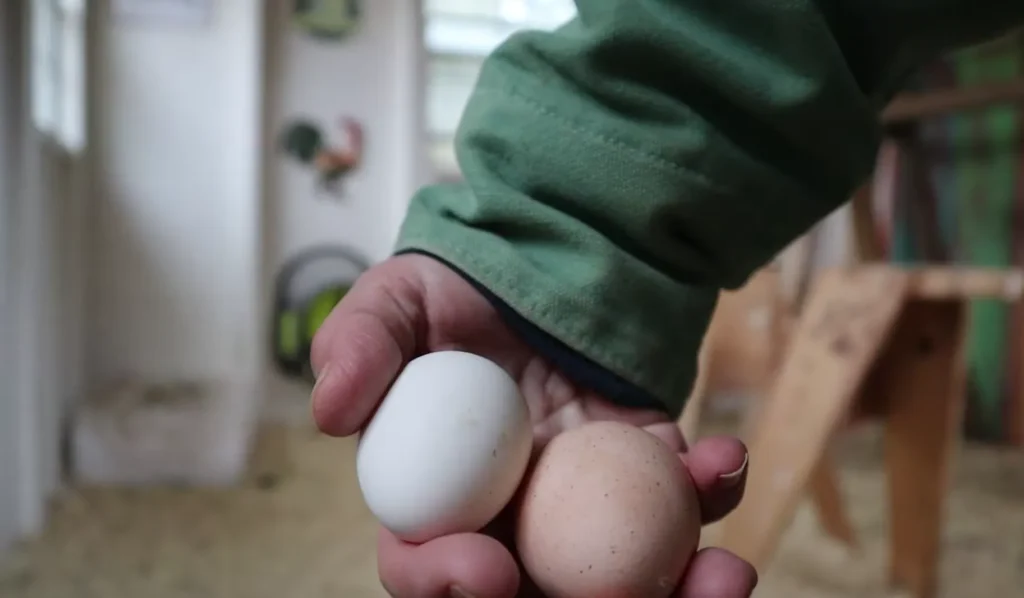
- All-flock feed typically runs 1 to 2 percent calcium
- Layer feed typically runs 3.5 to 4 percent calcium, closer to the 3.5 to 6 percent range laying hens actually need in their total diet
- A hen’s eggshell is roughly 94 percent calcium carbonate, and it forms over a window of about 20 hours inside the shell gland
My hens had been eating a diet built for a mixed flock’s average needs, not for the higher calcium demand of birds laying an egg almost every single day. On paper, the feed still had calcium in it. In practice, it wasn’t close to enough for hens actively forming shells day after day.
Ruling Out the Other Usual Suspects
Before assuming it was a calcium gap, I checked the other common causes, since thin shells can come from more than one direction:
- Heat stress – ruled out, since this happened in cooler fall weather, not during a summer heat spike
- Vitamin D3 deficiency – unlikely, since the flock has daily outdoor access and direct sunlight
- Age or genetics – ruled out, since the affected hens ranged from first-year layers to three-year-olds, not a single older bird
- Infectious bronchitis or other disease – no other symptoms present, and the issue affected most of the flock at once rather than one isolated bird, which pointed away from an individual illness
That left feed as the most consistent explanation, especially once I checked the calcium percentage printed on the bag.
What Changed and How Fast It Showed Up
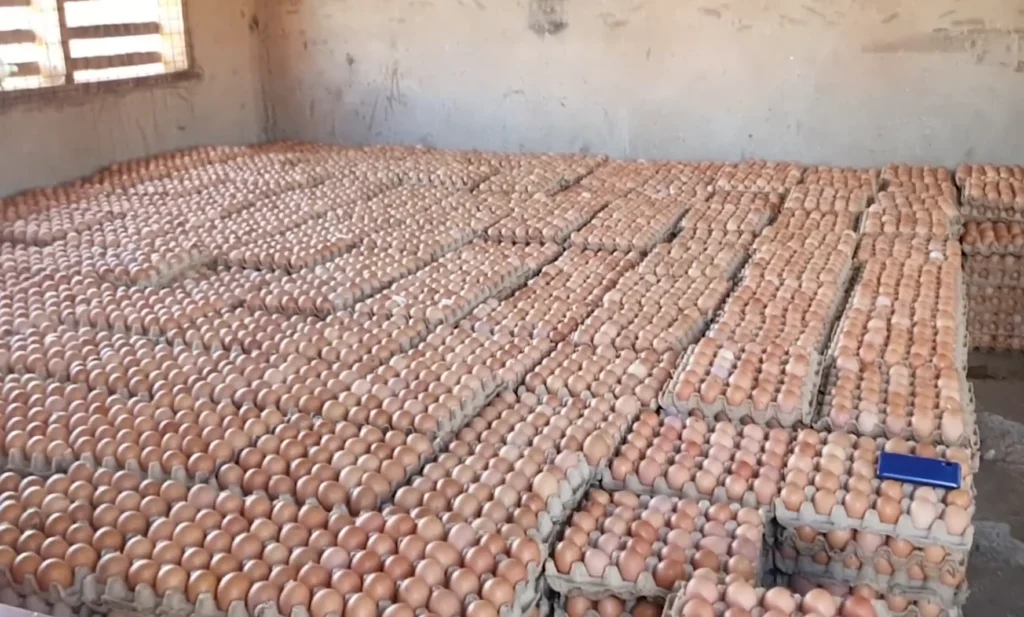
Since switching the whole flock to layer feed wasn’t an option with a rooster in the mix, the fix was adding free-choice crushed oyster shell in a separate dish, left available at all times rather than mixed into the feed, so each hen could take what her own body needed.
The recovery played out over two weeks:
- Days 1 to 4: No visible change yet, expected since eggs already forming in the shell gland were too far along to be affected
- Days 5 to 9: Shell quality noticeably firmer, fewer cracks in the nesting box, though a couple of thin shells still showed up
- Days 10 to 14: Egg collection returned to normal, with 12 of 12 eggs intact and shells firm enough to withstand normal handling
The Detail Most Mixed-Flock Owners Miss
The mistake wasn’t choosing all-flock feed over layer feed. For a flock with a rooster, that’s the right call for the non-laying birds. The mistake was assuming the feed bag alone was covering the hens’ needs without a separate calcium source sitting out for them to use on their own schedule.
Oyster shell now stays in its own dish, refilled weekly, completely separate from the feeder. The flock still eats all-flock feed. The hens just aren’t relying on it alone anymore to build a shell that has to hold together for the next twenty hours.