

Search “essential pet care tips for small animals” and the results read almost identically across hundreds of sites: feed a balanced diet, clean the cage weekly, provide enrichment, schedule vet checkups. The advice isn’t wrong, but it’s vague enough to be nearly useless, because it doesn’t tell owners which specific habits actually lead to sick or surrendered animals.
To get a clearer picture, I reviewed three years of intake and veterinary records from a regional small animal rescue that takes in guinea pigs, rabbits, and hamsters, and spoke with the rescue’s consulting veterinarian about the patterns showing up again and again in the animals that arrive at their door.
The Diet Mistake Behind Most Guinea Pig Dental Problems
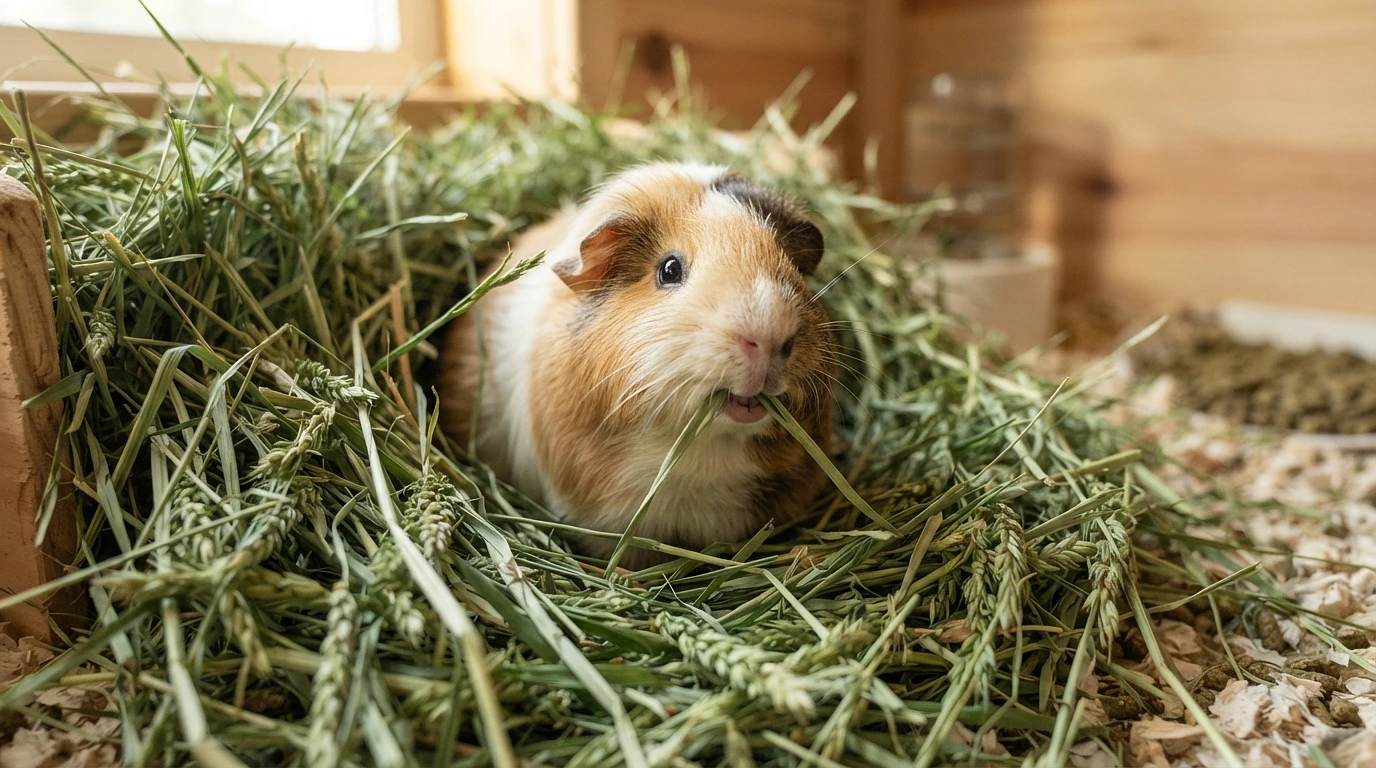
Of the guinea pigs surrendered to the rescue over the three-year period, 62 percent arrived with some degree of dental overgrowth, according to intake exam notes. In nearly every one of those cases, the previous owner’s diet consisted primarily of pellets and occasional vegetables, with little to no unlimited grass hay.
Guinea pig teeth grow continuously throughout their lives. Chewing fibrous hay is what wears the teeth down at the correct rate. Without it, molars overgrow, develop sharp points, and eventually make eating painful enough that guinea pigs stop eating altogether, which is often the point at which owners realize something is wrong and bring them in.
The rescue’s veterinarian noted that owners consistently described their guinea pig’s diet as “healthy” because it included vegetables and a bagged pellet mix marketed specifically for guinea pigs. Almost none had unlimited timothy or orchard grass hay available at all times, which is the single largest factor in preventing the condition.
Why So Many Surrendered Rabbits Had a History of GI Stasis
Rabbits accounted for the second largest intake group, and 41 percent of rabbit surrenders had documented episodes of gastrointestinal stasis, a condition where digestion slows or stops entirely. Left untreated for even 24 hours, GI stasis can be fatal.
The pattern behind these cases traced back to two recurring habits: diets too heavy in pellets and fruit relative to hay, and insufficient daily exercise time outside a cage or hutch. Rabbits need constant fiber intake to keep their digestive tract moving, and a sedentary rabbit confined to a small enclosure for most of the day is far more prone to slowdowns.
One case file described a rabbit surrendered after two emergency vet visits for stasis within four months. The owner had been feeding a store brand rabbit mix containing dried fruit and seeds, a common product on pet store shelves despite most rabbit-specific veterinary guidance recommending against it.
The Hamster Housing Mistake Tied to Wet Tail Cases
Among hamster intakes, the rescue recorded a notable cluster of wet tail, a severe and fast-moving bacterial infection, concentrated in animals that had come from enclosures with inadequate ventilation and bedding that retained moisture. Several intake notes specifically mentioned aquarium-style enclosures with minimal airflow, paired with substrate that wasn’t changed frequently enough to stay dry.
Wet tail can kill a hamster within 48 hours of first symptoms. The rescue’s veterinarian pointed out that most owners who arrived with a sick hamster had no idea that enclosure ventilation played any role in the illness at all, since most hamster care guides focus on cage size rather than airflow and moisture control.
What the Data Actually Points To
Pulling these three species together, the recurring theme isn’t a lack of general effort from owners. Nearly every surrendering owner described trying to do right by their animal. The problem was consistently a gap between what generic care guides emphasize and what actually prevents the most common health emergencies.
Specific Habits the Intake Data Flagged as High Impact
- Unlimited grass hay availability, not just occasional hay, for guinea pigs and rabbits
- Daily supervised exercise time outside the enclosure for rabbits, beyond what a hutch alone provides
- Enclosure airflow and dry bedding, not just cage size, for hamsters
- Recognizing a stopped appetite as an emergency, not a wait-and-see symptom, in both guinea pigs and rabbits
What Rarely Showed Up as a Cause in the Records
Interestingly, the intake data showed very few cases tied to the issues most commonly listed in generic care articles, such as incorrect cage size or lack of toys. Enrichment and space mattered for quality of life, but they were rarely the reason an animal ended up at the rescue with a medical emergency.
Why This Distinction Matters for New Owners
Generic small animal care advice isn’t inaccurate, but it tends to spread attention evenly across a long list of tips instead of pointing at the two or three habits that actually prevent the emergencies vets see most often. Intake and treatment records from a rescue that handles these animals daily offer a more precise map of where owner attention actually needs to go, and it’s rarely the advice that shows up first in a search result.