

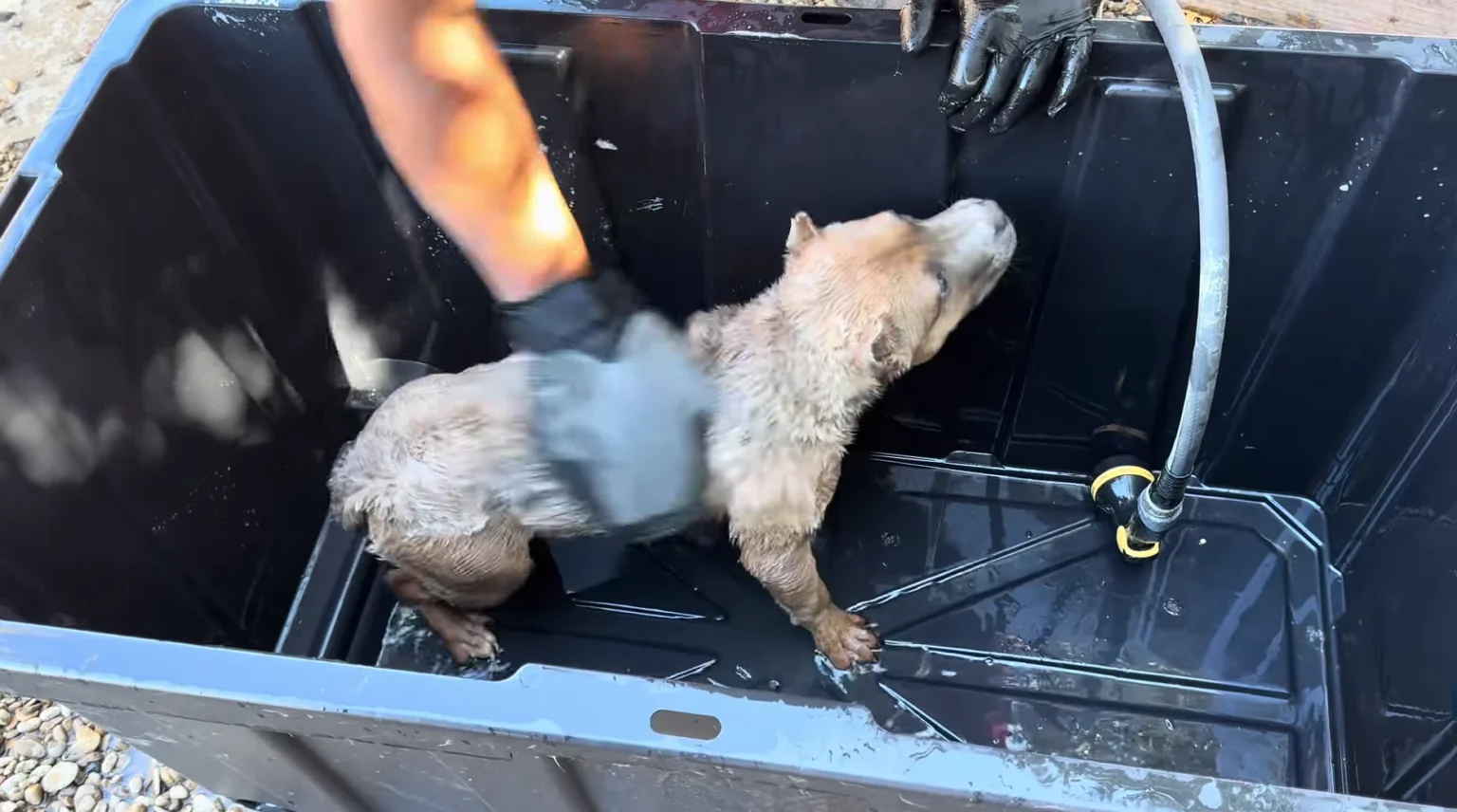
She once messaged her groomer in a bit of a panic. Her dog’s skin had turned dry, flaky, and visibly irritated, and she couldn’t figure out why – especially since she’d started bathing him every week to keep his shedding under control.
The answer turned out to be the opposite of what she expected: the weekly baths were the problem, not the solution.
Huskies carry a double coat – a soft undercoat and a coarser topcoat that naturally repels water and regulates temperature. Washing that coat too often strips away the oils holding that system together, leaving skin exposed and dry. Once she cut back to bathing every six to eight weeks and relied on brushing in between, the flaking cleared up within a month.
Why Generic Advice Falls Short
“Bathe your dog once a week” or “bathe as needed” isn’t specific enough, because the right frequency depends heavily on:
- Coat type
- Skin condition
- Lifestyle (activity level, time outdoors, swimming, etc.)
Here’s how that actually breaks down by coat type.
Bathing Frequency by Coat Type
| Coat Type | Example Breeds | Recommended Frequency | Key Notes |
|---|---|---|---|
| Short-haired | Labradors, Beagles, Boxers | Every 8–12 weeks | Single, close-lying coat doesn’t trap dirt; weekly brushing is enough between baths |
| Double-coated | Golden Retrievers, German Shepherds, Huskies | Every 6–8 weeks | Frequent washing strips protective oils; brush between baths instead |
| Curly / long-haired | Poodles, Bichon Frises, Portuguese Water Dogs | Every 3–6 weeks | Prone to matting; use conditioning/detangling shampoo |
| Hairless | Chinese Crested | Weekly | No fur to distribute oils, so skin needs more frequent cleaning |
| Oily-skinned | Cocker Spaniels, Basset Hounds | Every 2–4 weeks | Prone to odor/buildup; use an oil-balancing shampoo |
The Details Behind Each Coat Type
Short-Haired Breeds Dogs like Labradors, Beagles, and Boxers have a coat that doesn’t trap dirt or moisture the way longer coats do.
- Bathing too often mostly just wastes time and shampoo
- Their coat doesn’t hold onto debris the same way
- Stretching out the schedule is usually the right call unless they’ve rolled in something unpleasant
Double-Coated Breeds Golden Retrievers, German Shepherds, Huskies, and heavier-coated Labradors fall into this category.
- The undercoat traps dirt and loose fur, especially during seasonal shedding
- The protective oils in the topcoat are easy to strip with frequent washing
- Dogs that swim often or spend a lot of time outdoors may need slightly more frequent baths
- Why over-bathing backfires here specifically: double coats rely on essential oils for water resistance and insulation. Strip those oils too often and the coat stops doing its job – brushing between baths, not more frequent washing, is what keeps this coat type clean
Curly and Long-Haired Breeds Poodles, Bichon Frises, and Portuguese Water Dogs trap dirt and tangle easily, making them more prone to matting than any other coat type.
- Pair baths with regular brushing and professional haircuts
- A conditioning or detangling shampoo works better than a basic cleansing formula, since it reduces the friction that leads to knots
Hairless Breeds This one surprises most pets owners. Breeds like the Chinese Crested don’t have a coat to protect their skin.
- They actually need weekly baths, not less frequent ones
- Without fur to help distribute natural oils, their skin produces more surface oil on its own
- Regular cleaning avoids buildup and irritation
Oily-Skinned Breeds Cocker Spaniels and Basset Hounds tend to produce more natural oil than average.
- This can lead to odor and buildup if left unaddressed
- These breeds often do better with more frequent bathing, sometimes every 2–4 weeks
- Use a shampoo designed to manage oil without over-drying the skin
Reading Your Specific Dog, Not Just the Breed Chart
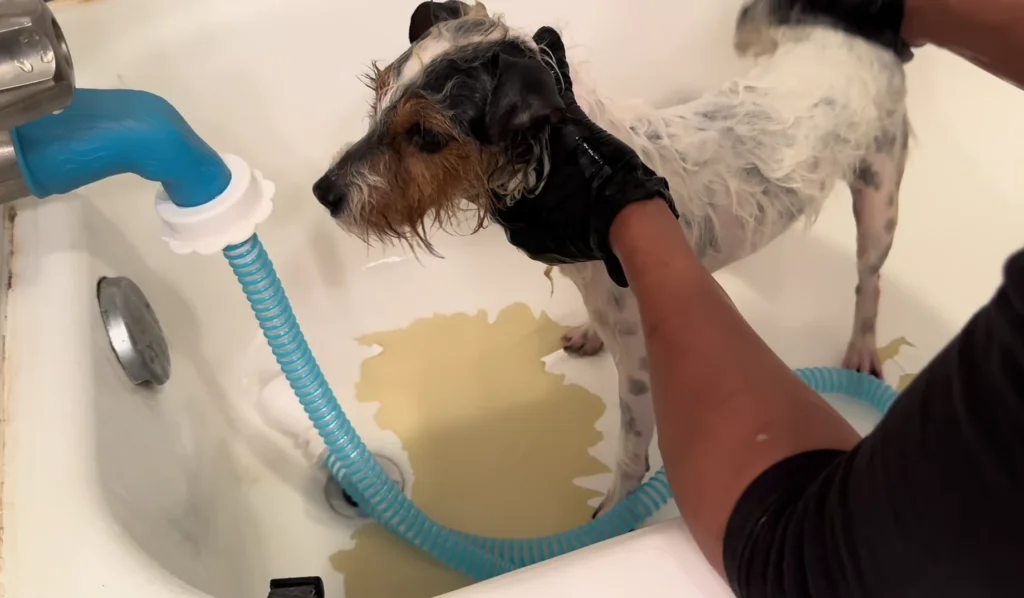
Breed guidelines are a starting point, not a fixed rule. A few things shift the right frequency for an individual dog:
- Allergies or skin conditions often call for a vet-directed bathing schedule, sometimes with medicated shampoo, that overrides the general breed recommendation
- Activity level matters too – a dog that swims, hikes, or spends most of the day outside will need baths more often than one that stays mostly indoors
- Visible signs like odor, itching, flaking, or a dull coat are a better signal than a calendar date. If a dog looks and smells like it needs a bath, that’s usually accurate regardless of what the breed chart says
The Husky’s story is a good reminder that “clean” and “healthy” aren’t always the same thing when it comes to a dog’s skin. Matching the bath schedule to the actual coat, rather than a generic weekly habit, tends to solve more problems than it creates.